Smart Elevator Etiquette for a Safe Journey

Elevator safety and etiquette are crucial for a secure journey. Each year, approximately 17,000 injuries occur due to elevator-related incidents in the U.S. Common risks include distraction, frustration, fatigue, and complacency. Using common sense helps us navigate these situations effectively and ensures a safe ride for everyone.
Key Takeaways
- Always wait patiently for the elevator to open fully. Rushing can lead to accidents.
- Use handrails if available to maintain balance and prevent falls.
- Respect personal space by standing clear of others and keeping conversations quiet.
Safety Tips for Elevator Riders
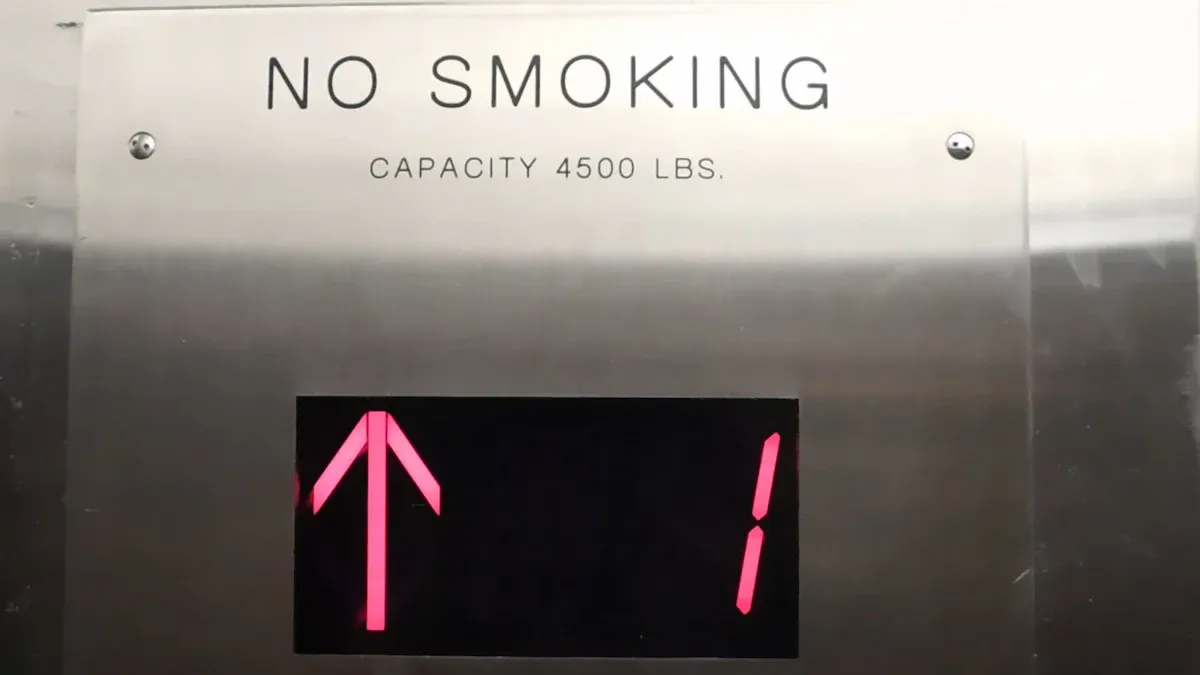
Wait Patiently for the Elevator
When I approach an elevator, I always remind myself to wait patiently. Rushing can lead to accidents. I’ve seen people hurriedly push the elevator button, only to stumble as the doors open. This behavior can result in serious injuries. According to safety experts, common types of elevator accidents include speed malfunctions and defective doors. I make it a point to stand clear of the doors until they fully open. This simple act can prevent falls and ensure a safer entry.
Watch Your Step When Entering and Exiting
I always take a moment to assess the floor level before stepping into or out of the elevator. Elevators can sometimes misalign with the floor, creating a gap. I’ve learned that looking down before I step can prevent trips and falls. Building safety experts recommend being cautious during entry and exit. They emphasize that careful entry and exit can significantly reduce the risk of accidents.
Hold the Handrail if Available
If the elevator has a handrail, I always use it. Holding the handrail helps me maintain my balance, especially in crowded or moving elevators. Studies show that using handrails can prevent trips and falls, which are common causes of injuries in elevators. This practice not only keeps me safe but also promotes a culture of safety among other passengers.
Know Emergency Procedures
I believe that being prepared for emergencies is crucial. If I find myself trapped in an elevator, I follow these steps:
- Stay calm and assess the situation.
- Use the elevator’s emergency button or intercom to contact help.
- Clearly state my location and describe the situation.
- If necessary, I call 911 for immediate assistance.
- I avoid forcing the doors open or attempting to exit on my own.
Knowing these procedures can make a significant difference in an emergency. I always remind myself to prepare a plan in advance for elevator emergencies. This preparation ensures that I remain calm and collected during unexpected situations.
| Safety Tip | Description |
|---|---|
| Never Overload the Lift | Adhere to the weight limits displayed inside/outside the elevator to ensure safety. |
| Careful Entry and Exit | Look for level floors when entering/exiting to prevent falls. |
| Handling Emergency Situations | Stay calm if the elevator stops, use the emergency phone, and wait for help instead of exiting. |
| Stopping the Elevator | Use the alarm button in emergencies; do not attempt to stop the elevator manually. |
| Call for Professional Help | Report any unusual mechanical noises and avoid using the elevator if the floor alignment is off. |
By following these safety tips, I contribute to a safer environment for myself and others while using the elevator.
Elevator Etiquette Guidelines
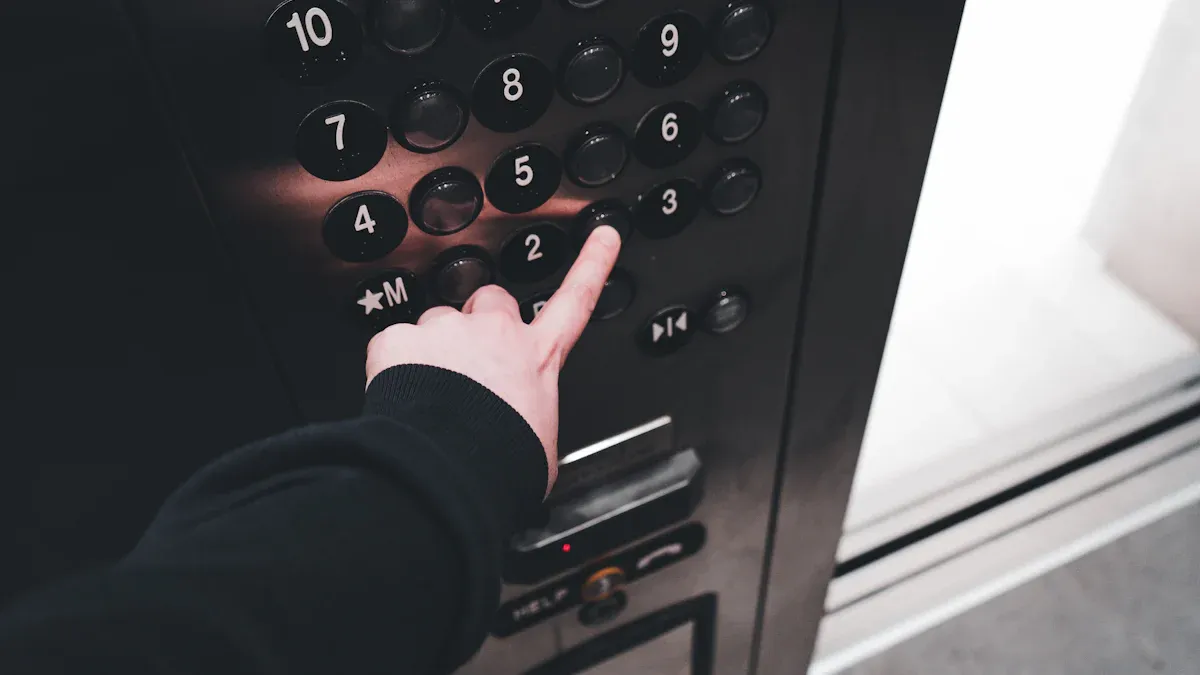
Respect Personal Space
I always make it a point to respect personal space when I enter an elevator. Elevators can feel cramped, especially during peak hours. By standing facing the front and keeping a reasonable distance from others, I help create a more comfortable environment. This practice minimizes discomfort and anxiety among passengers. It also promotes a sense of security, making the ride more enjoyable for everyone. Overcrowding can lead to stress and discomfort, which I try to avoid by being mindful of my surroundings.
Avoid Loud Conversations
I find that maintaining a calm atmosphere in the elevator is essential. I avoid loud phone conversations and keep my voice at a moderate level. This consideration helps prevent distractions that could affect rider safety. Loud conversations can irritate fellow riders and lead to unwanted eavesdropping. I’ve noticed that a quieter atmosphere enhances overall comfort in the confined space of an elevator. Property management associations recommend keeping noise levels down to ensure a pleasant experience for all passengers.
Allow Others to Exit First
One of the most important etiquette rules I follow is allowing others to exit the elevator before I step in. I always wait patiently for passengers to leave before I enter. This simple act prevents discomfort and frustration caused by unexpected movements in a confined space. Safety experts emphasize that this practice reduces the risk of accidents, as rushing can lead to shoving or pushing. By waiting for others to exit, I contribute to a smoother and safer elevator experience.
Keep the Elevator Clean
I believe that cleanliness in elevators is vital for both safety and comfort. Dirty surfaces can lead to accidents, and a clean elevator creates a positive impression of the building. I always make an effort to keep the elevator tidy by disposing of any trash I might have. Regular cleaning is essential, especially in high-traffic areas where germs can spread quickly. I also pay attention to high-touch areas like handrails and control panels, ensuring they remain disinfected. This practice not only enhances hygiene but also extends the lifespan of the elevator equipment.
By following these etiquette guidelines, I contribute to a more pleasant and safe elevator experience for myself and others.
Special Considerations for Elevators
Accommodating Individuals with Disabilities
When I use elevators, I always consider the needs of individuals with disabilities. Elevators must be accessible to everyone. I pay attention to features that enhance accessibility, such as:
| Feature | Specification |
|---|---|
| Height of control panels | Controls should be located no higher than 48 inches from the floor. |
| Large, tactile buttons | Buttons should include tactile or raised numerals and Braille. |
| Door width | Minimum door width should be 36 inches for wheelchair access. |
| Audible signals | Announce floor numbers upon arrival. |
These features ensure that everyone can navigate the elevator safely and comfortably.
Managing Children and Pets
I always prioritize safety when traveling with children and pets in elevators. I follow these guidelines:
- Children should be accompanied by an adult.
- Hold children’s hands during the ride.
- Keep pets on a leash and close to you.
I’ve learned that supervision is crucial. Statistics show that at least eight children have died in elevator entrapments since 1981. This fact reminds me to be vigilant and ensure that children do not accidentally press buttons or get too close to the doors.
Handling Large Groups
When I find myself in an elevator with a large group, I remain mindful of capacity limits. Building codes, like the ASME A17.1 elevator code, specify weight limits and passenger capacity. I always check the posted limits and ensure we do not exceed them. This practice enhances safety and optimizes performance during busy times. By being aware of these guidelines, I contribute to a smoother experience for everyone involved.
By considering these special situations, I help create a safer and more inclusive environment in elevators.
Elevator safety and etiquette are essential for a secure journey. I encourage everyone to practice these guidelines for a better experience. Here are some key points to remember:
- Wait for the next elevator if it’s full.
- Stand at least one meter away from others.
- Allow others to enter and exit before you.
Using common sense can significantly reduce accidents. Simple actions, like ensuring elevators are properly leveled and following emergency procedures, make a difference. Let’s prioritize safety together!