Why Panoramic Elevators Are the Centerpiece of Future Cities
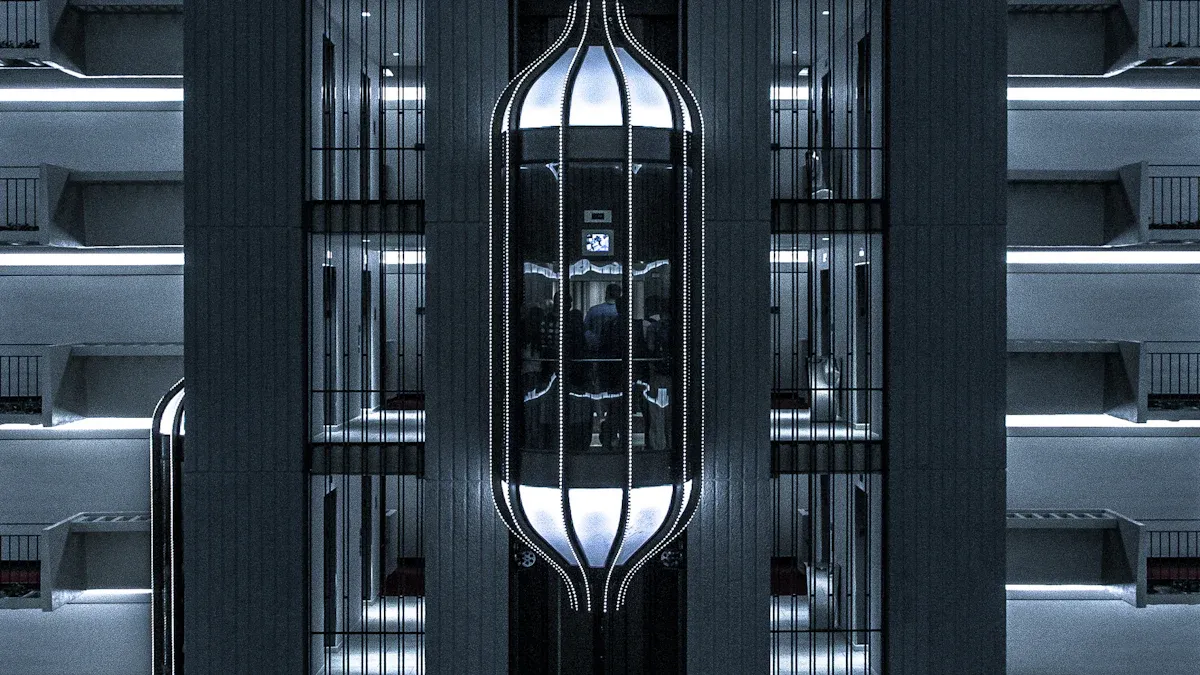
Panoramic elevators are reshaping urban design by freeing architects from traditional elevator core limitations. This innovation allows the creation of dynamic structures that adapt to user needs. Their visual appeal enhances the marketability of buildings, making them iconic landmarks. The ascensore panoramico combines functionality and aesthetics, elevating both design and experience.
Key Takeaways
- Panoramic elevators turn buildings into famous landmarks, improving city views.
- Their see-through design helps people feel connected and invites interaction.
- Smart tech in these elevators makes rides fun and more useful.
The Aesthetic and Functional Appeal of the Ascensore Panoramico
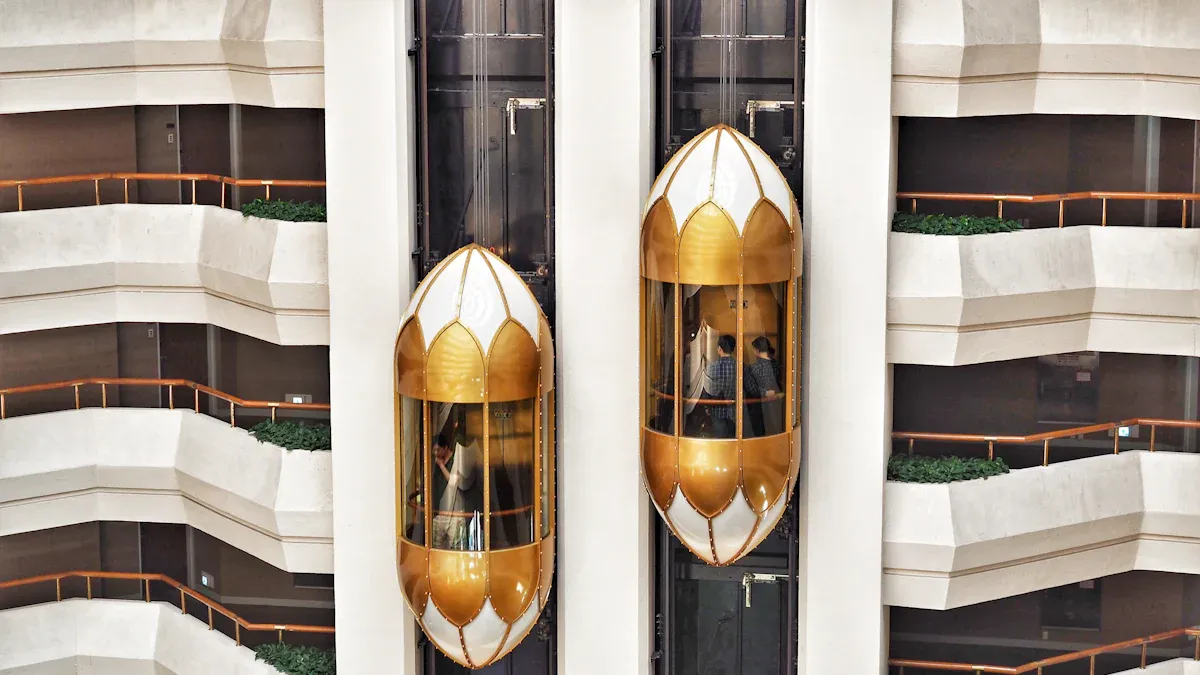
Transforming Buildings into Iconic Landmarks
Panoramic elevators have played a pivotal role in transforming buildings into architectural icons. By enabling vertical expansion, they have allowed cities to redefine their skylines. For example:
- Elisha Otis’s safety elevator, patented in 1852, made it possible for buildings to exceed six stories.
- The Home Insurance Building in Chicago, completed in 1885, became the first skyscraper with a steel skeleton frame, reaching 138 feet.
- The New York World Building, completed in 1890, stood 20 stories tall and featured modern innovations like elevators and electric lighting.
- The Eiffel Tower, completed in 1889, reached an impressive height of 320 meters and included custom elevators that remain operational today.
These advancements demonstrate how elevators, including the ascensore panoramico, have elevated the status of buildings, making them landmarks that symbolize progress and innovation.
Enhancing Visual Connectivity and Transparency
The ascensore panoramico enhances visual connectivity by incorporating transparent glass walls. This design creates an open environment that connects passengers with their surroundings. The use of toughened or laminated glass ensures safety while providing unobstructed views. These features not only contribute to the aesthetic appeal of buildings but also make the elevator experience visually captivating. Passengers can enjoy panoramic views of the cityscape, fostering a sense of connection between urban spaces and their inhabitants.
Creating Inviting and Open Urban Spaces
Panoramic elevators contribute to the creation of inviting and open urban spaces. Their transparent design reduces the visual barriers often associated with traditional elevators. This openness encourages interaction between people and their environment. By integrating seamlessly into public areas, these elevators make spaces feel more accessible and welcoming. They also serve as focal points in urban design, drawing attention and enhancing the overall ambiance of the area.
Redefining the User Experience
Immersive Views and Memorable Journeys
Panoramic elevators redefine urban transportation by offering passengers an immersive experience. Transparent glass walls provide breathtaking views of cityscapes, turning a simple ride into a memorable journey. These elevators often serve as architectural focal points, drawing admiration for their innovative design. They seamlessly integrate with the building’s surroundings, enhancing visual harmony and aesthetic appeal.
Passengers also enjoy a multi-sensory experience during their ride. Elevator cab lighting, combined with real-time information displays, creates an engaging atmosphere. Smart building upgrades further enhance the journey, making it both functional and enjoyable. By blending technology and design, the ascensore panoramico transforms routine transportation into a unique and unforgettable experience.
| Aspect | Description |
|---|---|
| Architectural Focal Point | They can become a focal point of the building’s design, drawing attention and admiration. |
| Integration with Surroundings | Designed to seamlessly integrate with the building’s architecture, enhancing visual harmony. |
| Aesthetic Appeal | Innovative design and breathtaking views elevate the overall aesthetic appeal of the building. |
Reducing the Psychological Effects of Enclosed Spaces
Traditional elevators often create feelings of confinement. Panoramic elevators address this issue by incorporating natural light through glass doors or skylights. This design reduces claustrophobia and promotes a sense of openness. Passengers feel more connected to their environment, which enhances their overall well-being.
Calming sounds or scents can also be integrated into the elevator’s design. These elements create a soothing atmosphere, making the ride more pleasant. By prioritizing passenger comfort, panoramic elevators improve the psychological experience of vertical transportation.
Offering Personalized and Unique Perspectives
Panoramic elevators offer personalized experiences through smart technology. Features like adjustable lighting and music cater to individual preferences, creating a tailored ambiance. Passengers can enjoy unique perspectives of the city, thanks to the elevator’s transparent design.
The integration of natural light further enhances the experience, making each ride feel refreshing and uplifting. These personalized touches not only improve user satisfaction but also set panoramic elevators apart as a modern innovation in urban architecture.
Architectural Innovations Enabled by the Ascensore Panoramico
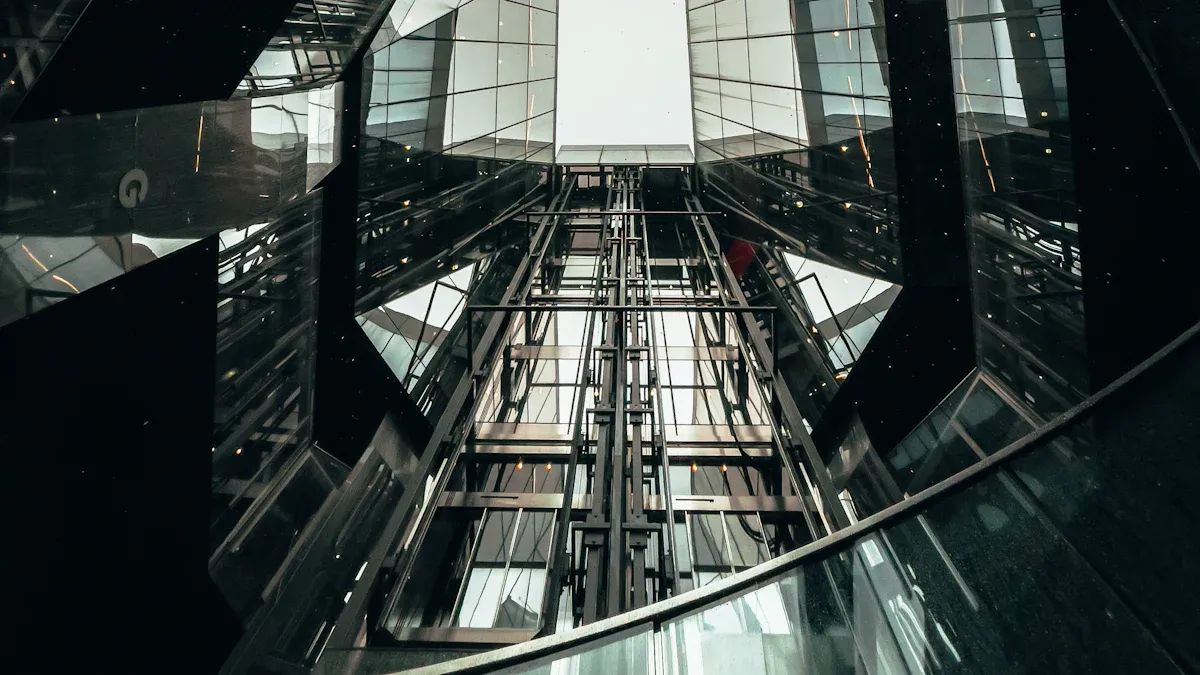
Supporting Vertical Urbanization and Space Optimization
Panoramic elevators play a vital role in optimizing urban spaces. Their compact design minimizes the footprint required for elevator shafts, allowing architects to create more flexible floor plans. This flexibility is essential in cities where space is limited. By strategically positioning these elevators, buildings can maximize vertical space, freeing up areas for amenities like rooftop gardens, coworking spaces, or recreational zones.
In high-density urban environments, the ascensore panoramico supports vertical urbanization by enabling taller structures without compromising usability. These elevators enhance accessibility across multiple floors, making skyscrapers more functional and efficient. Their transparent design also contributes to the aesthetic appeal of vertical spaces, turning them into architectural highlights that attract attention and admiration.
Seamless Integration with Smart Technologies
Modern panoramic elevators integrate seamlessly with smart building technologies. Features like IoT-enabled sensors and AI-driven systems optimize elevator operations, reducing wait times and improving energy efficiency. These technologies allow elevators to adapt to traffic patterns, ensuring smooth and reliable service during peak hours.
Smart integration also enhances user experience. Passengers can access personalized settings, such as preferred lighting or music, through mobile apps or touchscreens. Real-time data displays provide information about the building or cityscape, enriching the journey. By combining advanced technology with innovative design, panoramic elevators redefine urban mobility and connectivity.
Enabling Bold and Creative Building Designs
The ascensore panoramico empowers architects to explore bold and creative designs. Its transparent structure complements unconventional building shapes, such as twisting towers or curved facades. These elevators can be positioned externally, creating striking visual elements that enhance the building’s identity.
Architects often use panoramic elevators to highlight unique features of their designs. For example, glass elevators can showcase atriums, green walls, or artistic installations within a building. Their versatility allows them to adapt to various architectural styles, from modern minimalism to futuristic concepts. By enabling creative freedom, panoramic elevators contribute to the evolution of urban architecture.
Sustainability and Urban Efficiency
Energy-Efficient and Eco-Friendly Technologies
Panoramic elevators incorporate advanced technologies to reduce energy consumption and promote sustainability. Regenerative braking systems capture energy during braking and reuse it, significantly lowering electricity usage in high-rise buildings. Variable frequency drives (VFDs) in modern elevator motors adjust speed and torque based on passenger weight and travel distance, enhancing operational efficiency.
Smart destination control systems further optimize energy use. These systems group passengers heading to similar floors, reducing unnecessary stops and idle time. Over time, algorithms learn from usage patterns, improving efficiency. By integrating these technologies, panoramic elevators not only conserve energy but also contribute to a greener urban environment.
Space-Saving Solutions for Dense Urban Areas
In densely populated cities, space optimization is crucial. Panoramic elevators address this challenge with their compact designs, which require less structural space compared to traditional elevator systems. Architects can utilize the freed-up space for additional amenities, such as rooftop gardens or recreational areas.
These elevators also support vertical urbanization by enabling taller buildings without compromising accessibility. Their transparent design enhances the visual appeal of vertical spaces, making them integral to modern urban planning. By maximizing usable space, panoramic elevators help cities accommodate growing populations more efficiently.
Contributing to Green Building Certifications
Panoramic elevators play a vital role in achieving green building certifications, such as LEED (Leadership in Energy and Environmental Design). Their energy-efficient systems, including regenerative braking and VFD motors, align with sustainability criteria. Additionally, the use of eco-friendly materials in their construction reduces environmental impact.
Buildings equipped with these elevators often meet or exceed certification standards, enhancing their market value and appeal. By prioritizing sustainability, panoramic elevators contribute to the development of environmentally responsible urban infrastructure.
Panoramic elevators are revolutionizing urban architecture by merging functionality with innovation. Their impact extends beyond transportation, transforming buildings into iconic landmarks and enhancing urban living. For instance:
- In Paris, apartments with elevators see a 20% price increase on the fifth floor compared to the second floor.
- Properties without elevators lose value as wealthier residents prefer higher floors.
- The fourth floor in non-elevator buildings remains the most expensive due to its balance of accessibility and privacy.
| Floor Level | Price Impact | Notes |
|---|---|---|
| Fifth Floor | +20% | Higher demand due to elevator access |
| Second Floor | Baseline | Considered the noble floor without elevator influence |
| Fourth Floor | Most Expensive in Non-elevator Buildings | Balances accessibility and privacy |
The ascensore panoramico exemplifies this transformation, combining aesthetics, sustainability, and cutting-edge technology. As cities evolve, these elevators will continue to shape urban landscapes and redefine user experiences.
FAQ
What makes panoramic elevators different from traditional elevators?
Panoramic elevators feature transparent designs, offering passengers stunning views. Unlike traditional elevators, they enhance aesthetics, create openness, and provide a unique user experience.
Are panoramic elevators safe for public use?
Yes, panoramic elevators use toughened or laminated glass for safety. Advanced engineering ensures structural integrity, making them reliable for both public and private spaces.
How do panoramic elevators contribute to sustainability?
Panoramic elevators integrate energy-efficient technologies like regenerative braking and smart systems. These features reduce energy consumption and support green building certifications.