Why are there mirrors in elevators?
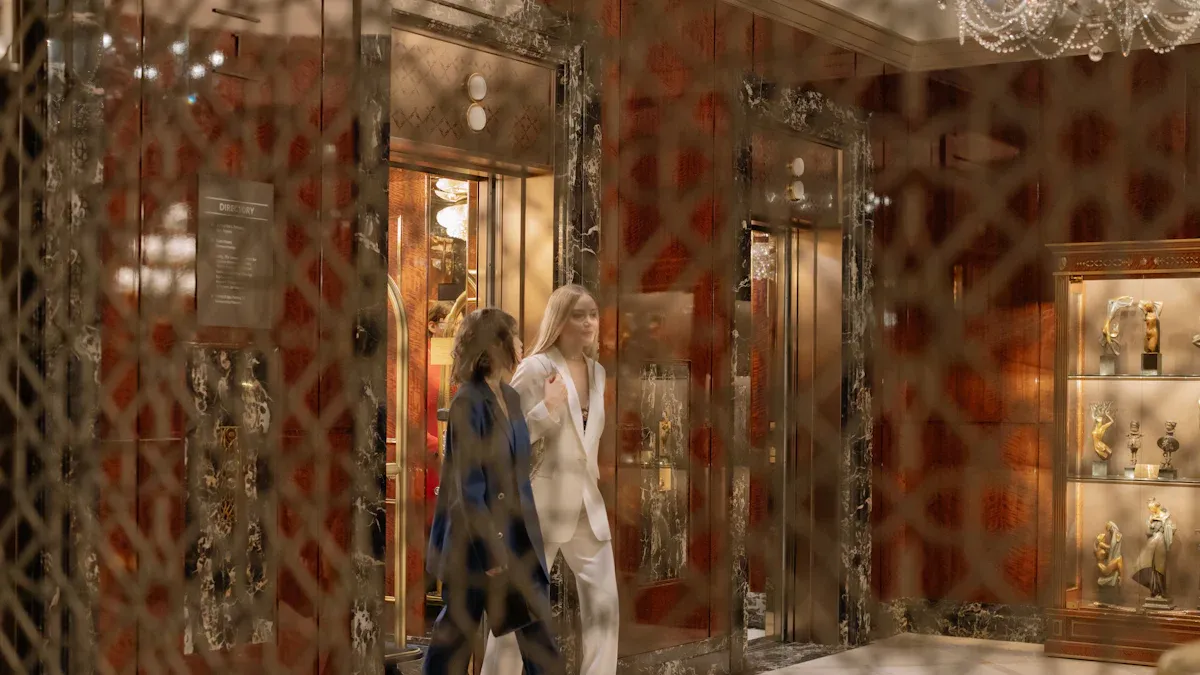
Many people step into an elevator and notice the mirror, but few know its true purpose. Mirrors help passengers feel safer by letting them see others around them. They also make small spaces seem bigger and offer a welcome distraction, which can make elevator rides feel much shorter.
Key Takeaways
- Elevator mirrors help people feel safer and more comfortable by letting them see around and making small spaces look bigger.
- Mirrors assist people with disabilities by allowing them to check behind without moving, improving safety and ease of use.
- Some elevators do not have mirrors due to space, weight, or cost limits, but mirrors rarely cause safety issues and are easy to maintain.
Elevator Mirrors: Practical and Psychological Benefits

Assisting People with Disabilities
Mirrors in elevators play a big role for people with disabilities. For someone using a wheelchair, turning around in a small elevator can be tough. A mirror lets them see behind without moving their chair. This makes it easier to enter and exit the elevator safely. People with limited mobility also benefit because they can check their surroundings with just a glance. The Elevator Association of Japan even recommends mirrors to improve comfort and accessibility for everyone.
Creating a Sense of Spaciousness
Many people feel uneasy in small spaces. Mirrors help solve this problem by making the elevator look much bigger than it really is.
When someone steps into an elevator with mirrors, their mind gets tricked into thinking the space is larger. This simple design choice can reduce feelings of being trapped or anxious.
According to elevator experts, mirrors help with:
- Making the elevator feel less cramped
- Easing claustrophobia and anxiety
- Providing a visual distraction, so rides seem shorter
Mirrors use psychological tricks to change how people see space. They help everyone feel more comfortable, even in the smallest elevator.
Enhancing Elevator Safety and Awareness
Safety matters in every elevator ride. Mirrors let people see the whole elevator, including what is happening behind them. This extra awareness can help spot anything unusual or even prevent theft.
- Mirrors allow passengers to keep an eye on their bags and personal items.
- People can notice if someone is acting suspiciously.
- Mirrors help everyone feel more secure during the ride.
For wheelchair users, mirrors also help them move safely by showing what is behind them. This makes the elevator safer for all passengers.
Convenience for Personal Grooming
Many people use elevator mirrors to check their appearance. A quick glance can help fix hair, adjust clothes, or make sure nothing is out of place.
- Students might check their uniforms before class.
- Workers can straighten their ties or fix their makeup before a meeting.
- Anyone can use the mirror for a last-minute check before stepping out.
This small convenience makes the elevator ride more useful and pleasant.
Reducing Social Awkwardness
Elevator rides can feel awkward, especially when strangers stand close together. Mirrors help by giving everyone something to look at besides each other.
Mirrors act as a distraction, making the ride feel less tense. People can focus on their reflection or look around the elevator instead of staring at the floor or walls.
Mirrors also let people watch what others are doing without making direct eye contact. This can help everyone feel more comfortable and safe in a shared space.
Psychologists say that mirrors help reduce anxiety and social discomfort by giving people a visual focus. This simple feature makes elevator rides smoother for everyone.
Elevator Designs Without Mirrors
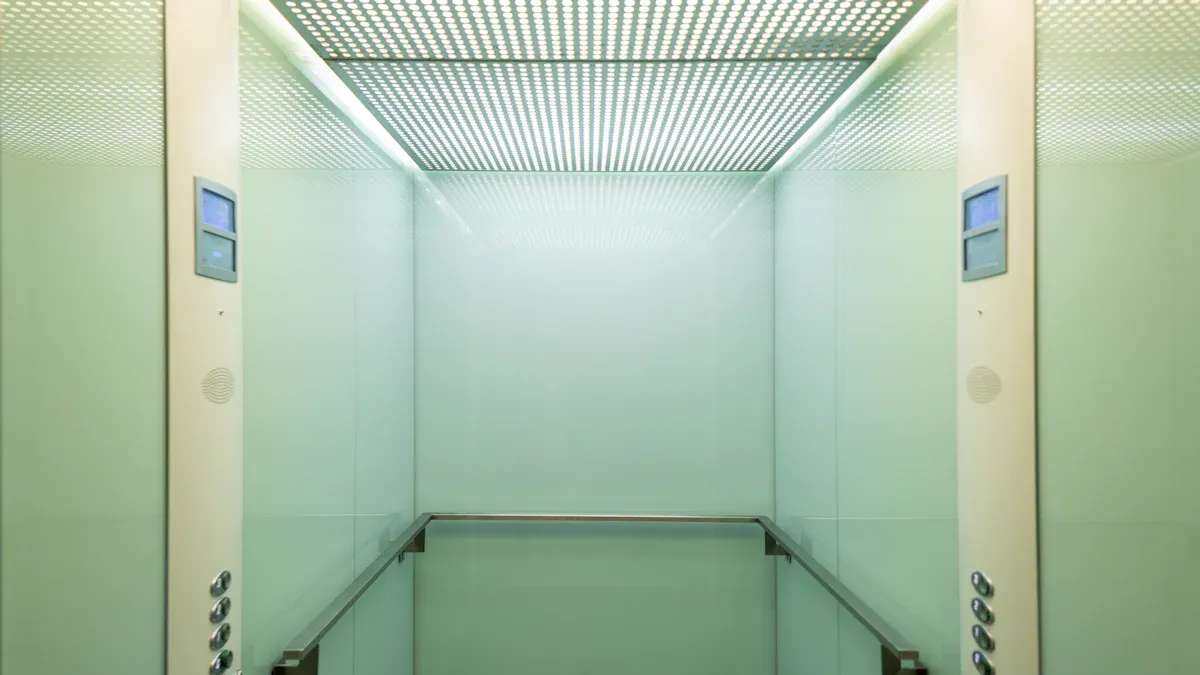
Practical Limitations in Elevator Spaces
Not every elevator comes with a mirror. Sometimes, architects and building managers decide to leave mirrors out for practical reasons. Heavy or bulky mirrors can add a lot of weight to the elevator. This extra weight can lower how many people or how much cargo the elevator can carry. In smaller elevators, even a little extra weight makes a big difference.
When the weight limit gets too high, the building may need to pay for expensive design changes. These changes help keep the elevator safe, but they also raise costs.
Space is another issue. Some elevators are just too small for a mirror. In these cases, adding a mirror might make the space feel even tighter or less useful. Because of these reasons, many building managers choose simple, lightweight designs without mirrors.
Elevator Safety Concerns
People sometimes wonder if safety rules stop elevators from having mirrors. In most places, building codes do not ban mirrors. In fact, some cities, like New York, require mirrors in certain types of elevators so people can see inside before entering.
There are no special safety rules that say mirrors are not allowed in elevators.
Maintenance is another thing to think about. Mirrors are part of the regular upkeep, just like lights or handrails. The cost to maintain them is included in the yearly contract for the whole elevator. There are no extra fees just for mirrors. So, safety concerns rarely lead to leaving mirrors out. Most of the time, the choice comes down to space, weight, and cost.
Elevator mirrors do more than reflect faces. They help people feel comfortable and safe. Experts and users praise how mirrors make spaces seem bigger and cleaner. Clean mirrors show that building owners care about maintenance. Next time someone steps into an elevator, they might notice these thoughtful details.
FAQ
Why do some elevators have mirrors while others do not?
Some elevators skip mirrors because of space, weight, or cost. Building managers choose what works best for their building and the people who use it.
Can elevator mirrors help with claustrophobia?
Yes! Mirrors make the space look bigger. People who feel trapped in small spaces often feel more relaxed when they see a mirror.
Are elevator mirrors easy to clean and maintain?
Most building staff clean elevator mirrors during regular maintenance. Clean mirrors show that the building cares about safety and comfort for everyone.