What kind of elevator do you hope for?
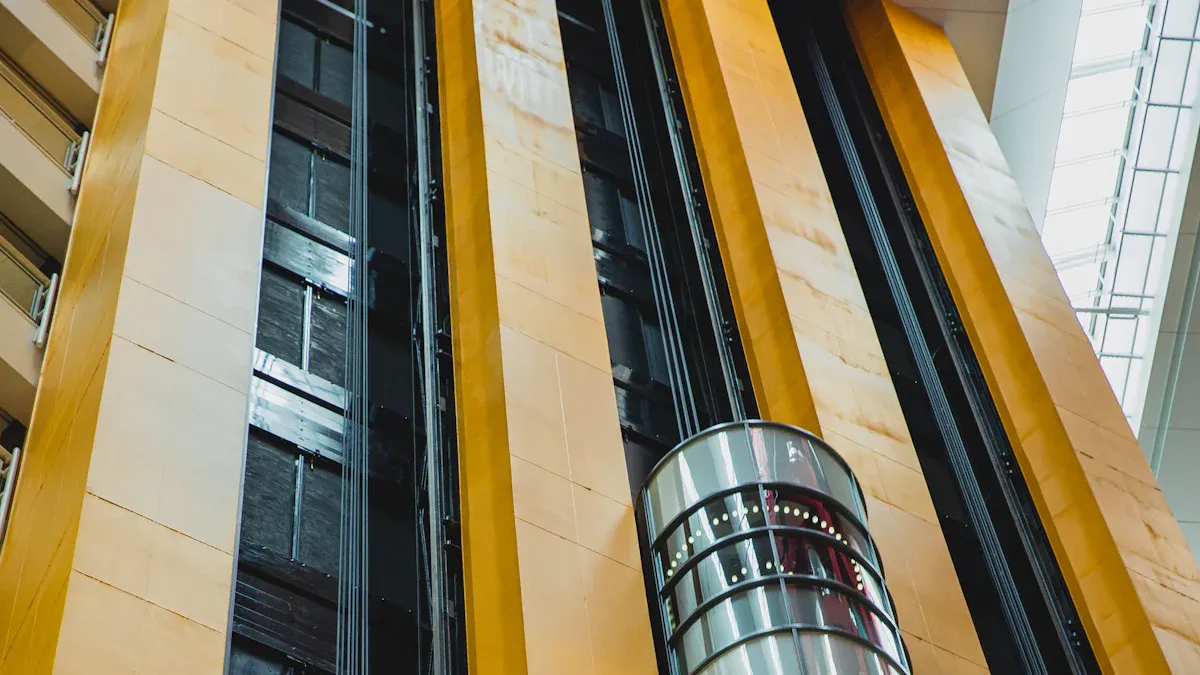
You want every elevator ride to feel smooth, safe, and stress-free. Many people complain about slow rides, strange noises, or doors that get stuck. Modern elevators use smart technology, real-time monitoring, and better safety systems, so you get faster rides, fewer breakdowns, and a more comfortable experience every time.
Key Takeaways
- Modern elevators use smart technology and safety features to provide faster, safer, and more comfortable rides for everyone.
- Elevators are designed with spacious cabins, easy-to-use controls, and barrier-free access to help people of all ages and abilities.
- Smart elevators save energy, offer customizable settings, and use real-time monitoring to improve your experience and keep you safe.
Elevator Safety, Comfort, and Accessibility
Advanced Safety Features and Emergency Systems
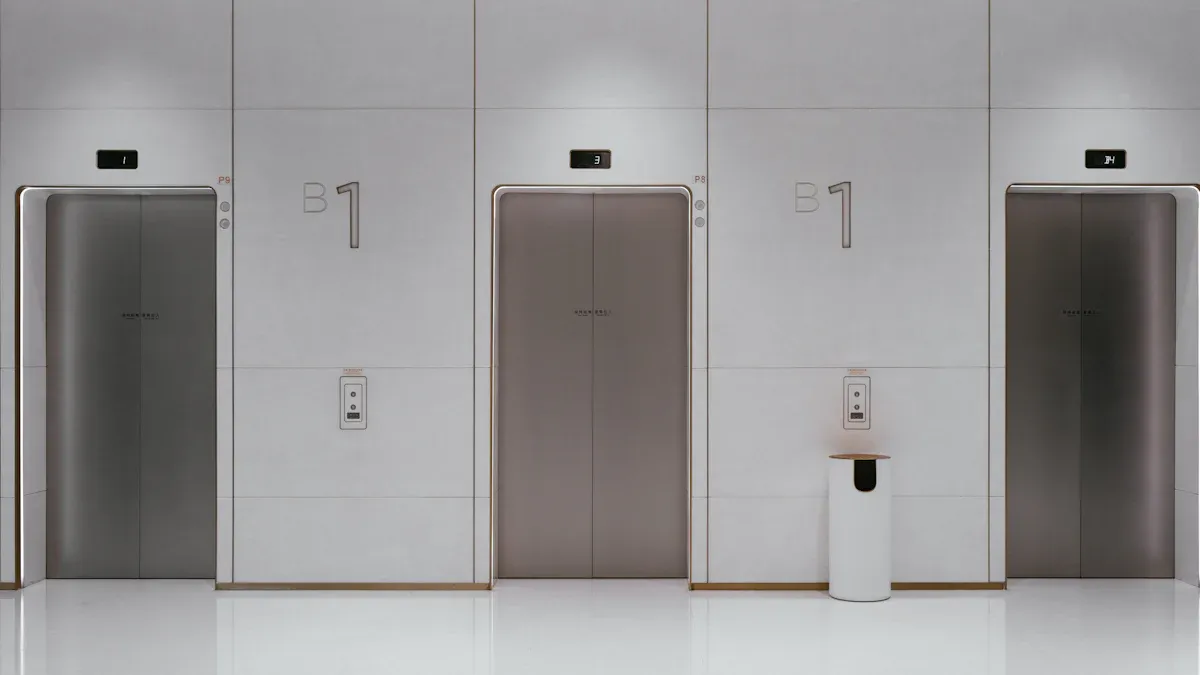
When you step into an elevator, you want to feel safe every time. Modern elevators come packed with advanced safety features that protect you in almost any situation. Here’s what you can expect:
- Emergency braking systems stop the elevator if it moves too fast or if cables fail.
- Door sensors and reopening mechanisms use infrared or pressure sensors to keep doors from closing on you or your belongings.
- Two-way emergency communication systems let you talk directly to emergency responders, even during power outages. These systems use backup power, so you never lose contact.
- Firefighter and emergency operation modes allow trained personnel to control the elevator during emergencies and automatically recall it when fire alarms go off.
- Backup power and emergency lighting keep the elevator running and lit if the main power fails.
- Regular safety inspections and compliance checks make sure everything works as it should and meets strict safety codes.
Tip: Emergency phones in elevators connect you to help right away. They work even if the power goes out, and they help responders find your exact location quickly. This reduces panic and speeds up rescue efforts.
Elevator manufacturers follow global safety standards like ASME A17.1 and ADA requirements. They also use modern security systems, such as keycard access and surveillance cameras, to keep you safe from unauthorized use.
Spacious, Ergonomic, and Clean Design
You notice the difference when you ride in a well-designed elevator. Spacious cabins help you feel comfortable, not cramped. They also make it easier for wheelchair users, families with strollers, or people carrying large items to move around.
- Wide doors and roomy interiors let everyone enter and exit easily.
- Handrails and seating offer extra support, especially for older adults or people with mobility challenges.
- Large, well-lit buttons with Braille labels and audible signals make controls easy for everyone to use.
- Non-slip flooring and smooth ride technology reduce the risk of accidents and make the journey pleasant.
- Bright, energy-efficient LED lighting creates a welcoming space and improves visibility.
- Good ventilation and air purification systems keep the air fresh and help reduce the spread of germs. Some elevators use HEPA filters and UV-C light to clean the air and surfaces, making the ride safer for everyone.
The Americans with Disabilities Act recommends elevator cabins be at least 36 inches by 48 inches, with doors at least 36 inches wide. These sizes help ensure comfort and accessibility for all users.
Barrier-Free Access and Easy Controls
You want an elevator that everyone can use, no matter their age or ability. Barrier-free access means no one gets left behind.
- Control panels are placed at heights that work for both standing and seated users.
- Buttons have Braille and raised text for people with visual impairments.
- Handrails are installed at the right height to help with balance.
- Wide doors and adjustable door speeds make it easy for people with wheelchairs, walkers, or strollers to get in and out.
- Visual and audio indicators help users with hearing or vision challenges know what’s happening.
Touchless and voice-activated controls are changing the way you use elevators. You can select your floor with a simple gesture or a voice command, which is great if you have limited hand movement or are carrying something. These features also help keep things clean by reducing the need to touch buttons.
Note: International standards like the Uniform Federal Accessibility Standards (UFAS) and ANSI A117.1 guide elevator design to make sure everyone can use them safely and independently.
Elevator manufacturers work hard to meet these standards. They add features like Braille on doors and buttons, tactile keypads, and clear position indicators. These changes make elevators more inclusive and user-friendly for everyone.
Elevator Technology, Innovation, and Personalization
Smart Controls and Automation
You want an elevator that feels smart and easy to use. Today’s elevators use artificial intelligence and advanced sensors to make every ride smoother and faster. AI can study how people use the building and then plan the best routes for each trip. This means you wait less and get to your floor quicker.
- AI-driven systems group people going to the same floors, so the elevator makes fewer stops.
- Touchless controls let you use your voice or a mobile app to pick your floor. You do not have to touch any buttons.
- Predictive maintenance uses sensors to watch for problems before they happen. The elevator can send alerts to technicians, so they fix things fast and avoid breakdowns.
- Real-time monitoring helps keep you safe. The system checks for overloads, stuck doors, or other issues and responds right away.
- RFID cards and mobile credentials make it easy for you to access secure floors.
Tip: Smart elevators can even learn your daily routine. If you always go to the gym at 7 a.m., the elevator can be ready for you.
Smart controls also help building managers. They can see how the elevators are working and make changes to improve traffic flow. This technology is growing fast because it saves time, energy, and money.
Energy Efficiency and Eco-Friendly Features
You care about the planet, and so do modern elevators. New designs use less energy and more sustainable materials. For example, energy-efficient motors and drives can cut electricity use by up to 50% compared to older models. Regenerative braking systems capture energy when the elevator slows down and send it back to the building’s power grid.
Here’s a quick look at how different elevator types use energy:
| Elevator Type | Building Height | Annual Energy Consumption (kWh) |
|---|---|---|
| Hydraulic Elevator | 3 stories | ~4,000 |
| Electric Cable Elevator | 6 stories | ~3,000 |
You also see eco-friendly materials like recycled steel, bamboo, and low-VOC finishes in elevator cabins. LED lighting and smart sensors save even more energy by turning off lights when no one is inside. These features help buildings earn green certifications like LEED and BREEAM.
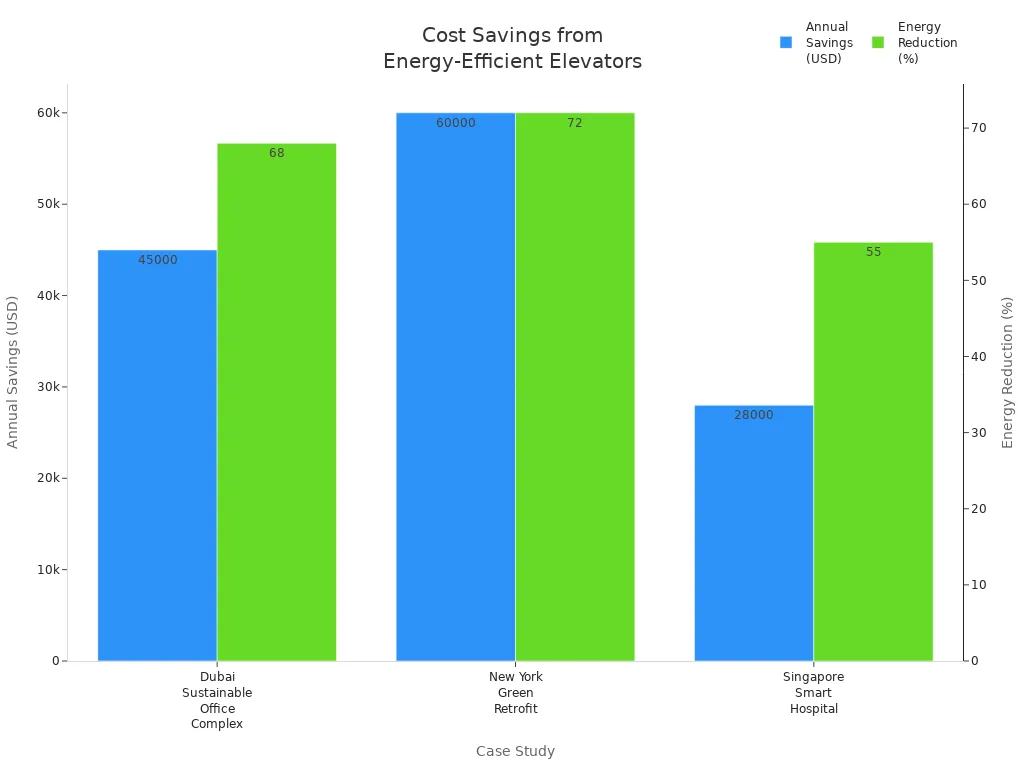
Energy-efficient elevators do more than just save power. They lower costs, reduce carbon footprints, and make buildings more attractive to tenants. Some buildings have saved thousands of dollars each year by upgrading to these systems. Over time, you see fewer repairs and longer-lasting equipment.
Customizable Settings and Real-Time Information
You want an elevator that fits your needs. Customizable settings let you choose lighting, music, or even the language of the announcements. Some elevators offer calming sounds or special lighting to help you relax. If you have vision or hearing challenges, you can use larger buttons, audio guidance, or high-contrast displays.
- Modular interiors let building owners change the look of the elevator quickly.
- Air purification systems and circadian lighting improve comfort and wellness.
- Real-time information screens show you the elevator’s location, estimated arrival time, and even building news.
Note: Real-time monitoring keeps you safe by spotting problems early. The elevator can send alerts to maintenance teams, so they fix issues before you even notice them.
Smart elevators also support different user groups. Older adults may want simple controls and clear instructions. Families might need extra space for strollers. Luxury buildings can offer custom designs and advanced features. No matter who you are, you get a ride that feels just right for you.
When you ride an elevator that feels safe, comfortable, and smart, you notice the difference. These features make your day easier and help you feel calm. Building owners see happier tenants and higher property value. A great elevator truly makes life better for everyone.
FAQ
How do you use touchless elevator controls?
You can wave your hand or use your voice. Some elevators let you use a phone app. You do not need to press any buttons.
What should you do if the elevator stops between floors?
Stay calm. Press the emergency button or use the phone. Help will come soon. Do not try to open the doors yourself.
Can you customize the elevator for your needs?
Yes! You can pick lighting, music, or language. Some elevators let you change settings for comfort or accessibility. Ask your building manager for help.