Top 10 Elevator Accessories for Residential and Commercial Use
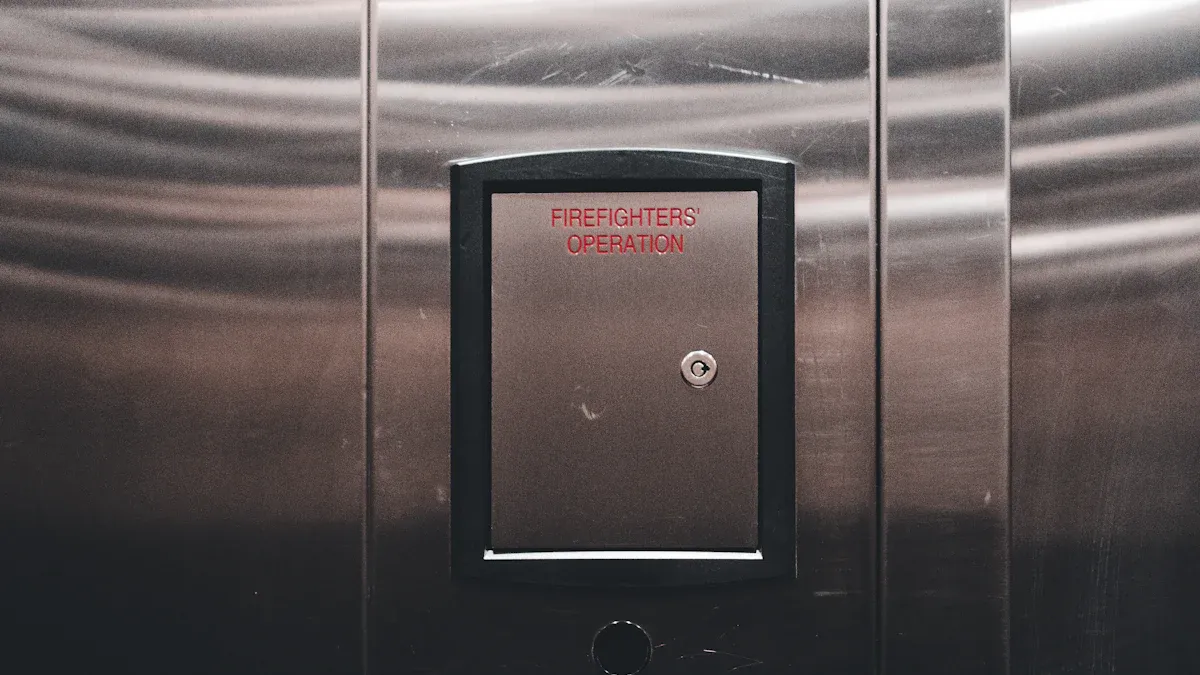
Elevators revolutionize how people navigate buildings. With the right accessories, they become safer, more stylish, and incredibly user-friendly. Safety sensor panels halt the lift when obstructions appear, preventing accidents. Customizable designs help elevators seamlessly match a building’s aesthetic. Modernization ensures compliance with regulations while boosting the building’s appeal. Touchless controls? They add convenience and hygiene, making every ride a pleasure.
Key Takeaways
- Focus on safety tools like alarms and fire-safe doors. These protect people and follow safety rules.
- Use touch-free buttons for cleaner and easier use. This lowers touching and makes riders happier.
- Design elevator insides to fit the building’s style. This makes the place look better and feel more inviting.
Safety Accessories for Elevators
Emergency Alarm Systems
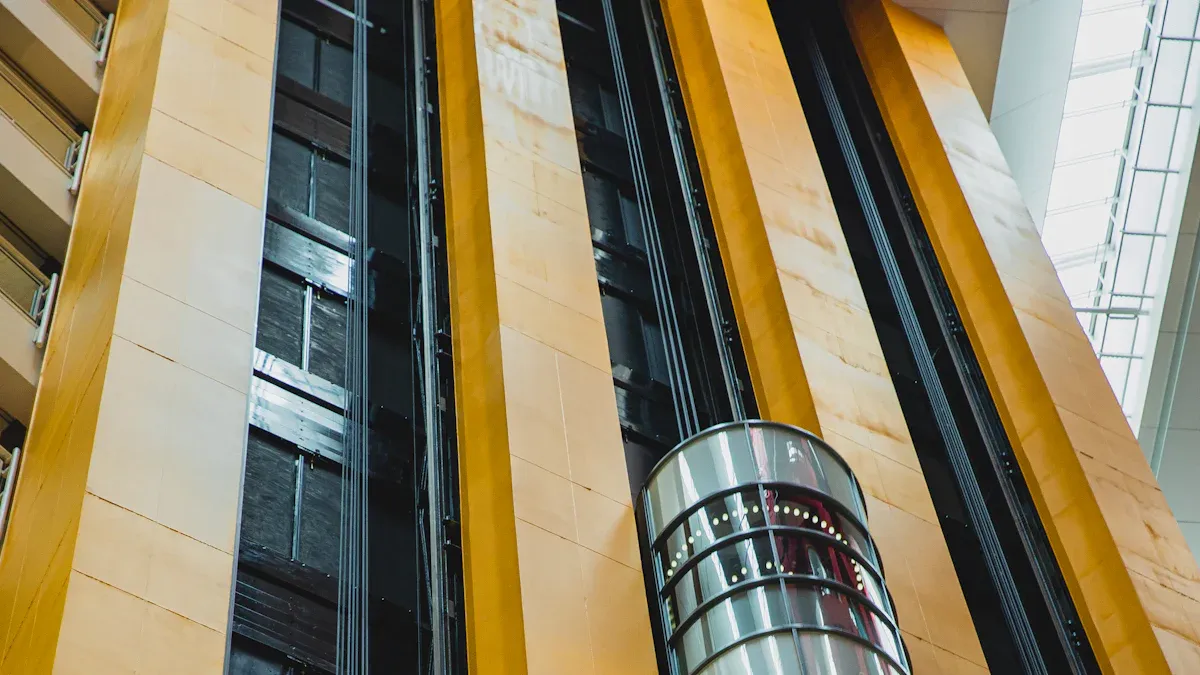
An elevator without an emergency alarm system is like a car without brakes—unthinkable! These systems act as a lifeline during unexpected situations. When passengers press the alarm button, the system immediately alerts building staff or emergency services. This ensures help arrives quickly. Modern alarm systems even include two-way communication, allowing trapped passengers to speak directly with responders. This feature reduces panic and provides reassurance.
Fire-Rated Doors
Fire-rated doors are the unsung heroes of elevator safety. They prevent fire and smoke from spreading through elevator shafts, protecting both passengers and the building. These doors undergo rigorous testing to meet safety standards. For example, certifications like ANSI/UL 10B in the U.S. and CAN/ULC-S104 in Canada ensure their reliability. Here’s a quick look at some compliance standards:
| Certification Type | Standard | Market | Description |
|---|---|---|---|
| GSUX | ANSI/UL 10B | U.S. | Fire Tests of Door Assemblies |
| GSUX7 | CAN/ULC-S104 | Canada | Fire Tests of Door Assemblies |
| GSNVC | ULC Mark | Canada | Fire Tests of Door Assemblies |
These certifications prove that fire-rated doors are not just a luxury but a necessity for any elevator system.
Safety Edge Door Sensors
Safety edge door sensors are like the watchful eyes of an elevator. They detect objects or people in the doorway and stop the doors from closing. This prevents accidents and ensures a smooth experience for passengers. Imagine someone rushing to catch the elevator with their hands full. The sensor detects their presence and keeps the doors open, saving them from an awkward or dangerous situation.
Speed Governors and Buffers
Speed governors and buffers are the ultimate safety nets for elevators. Speed governors monitor the elevator’s speed and activate the braking system if it moves too fast. Buffers, on the other hand, act as shock absorbers at the bottom of the shaft. They soften the impact if the elevator descends too quickly. Together, these components ensure a safe ride, even in extreme scenarios.
Functional Elevator Enhancements
Automatic Rescue Devices (ARD)
Automatic Rescue Devices (ARD) are the superheroes of elevator technology. When power outages strike, ARD steps in to save the day. It ensures the elevator safely reaches the nearest floor, allowing passengers to exit without panic. This feature is especially crucial in high-rise buildings where power interruptions can leave people stranded.
A study on energy efficiency highlights how ARD optimizes torque requirements during emergencies. This ensures smooth disengagement of safety gears, making it a reliable solution for critical situations. With ARD, elevators become not just a mode of transport but a dependable lifeline.
Load Weighing Devices
Load weighing devices are the unsung geniuses of elevator systems. They monitor the weight inside the cabin and ensure it doesn’t exceed the limit. If the load is too heavy, the system prevents the elevator from moving, avoiding potential damage or accidents.
| Advantages of Intelligent Devices | Disadvantages of Intelligent Devices |
|---|---|
| Improved energy efficiency | Higher initial costs |
| Enhanced safety features | Maintenance complexity |
| Better load management | Potential for technical failures |
These devices also improve energy efficiency by adjusting the motor’s power based on the load. This not only saves energy but also extends the elevator’s lifespan.
Voice Annunciation Systems
Voice annunciation systems add a touch of sophistication to elevators. These systems announce floor numbers, directions, and even safety instructions. They are particularly helpful for visually impaired passengers, ensuring an inclusive experience for everyone.
Imagine stepping into an elevator that greets you with a friendly voice, guiding you to your destination. It’s not just functional—it’s delightful!
Battery Backup Systems
Battery backup systems are the unsung heroes during emergencies. They provide power to the elevator during outages, ensuring it continues to operate. This feature is vital in hospitals, commercial buildings, and residential complexes where uninterrupted service is essential.
These systems also power emergency lights and alarms, enhancing safety during blackouts. With a battery backup, elevators remain operational, offering peace of mind to passengers and building owners alike.
Aesthetic Elevator Upgrades
Customizable Elevator Cab Interiors
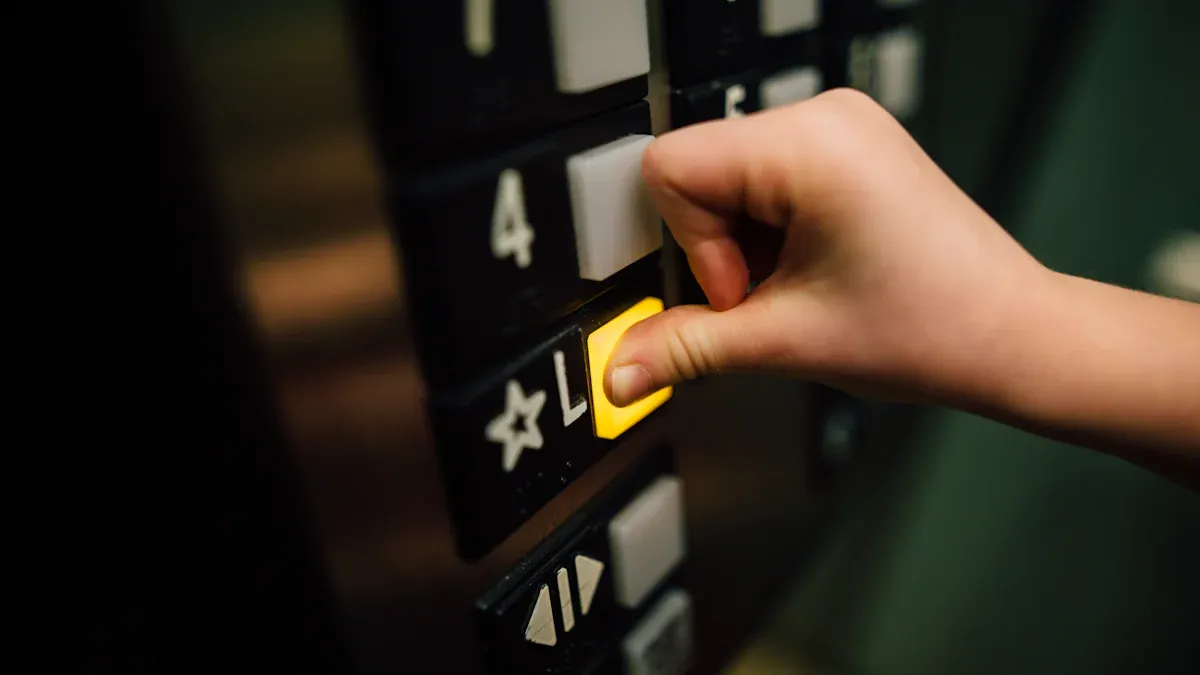
Customizable interiors transform an elevator into a moving masterpiece. Designers can choose from a variety of materials, colors, and finishes to match the building’s theme. For instance, sleek metallic panels create a modern vibe, while woodgrain textures add warmth and elegance.
Urbanization drives this trend. By 2050, nearly 70% of the global population will live in cities, increasing demand for stylish office towers and mixed-use buildings. In 2023, U.S. commercial construction spending exceeded $1 trillion, with elevators playing a key role in 82% of new projects. A survey revealed that 67% of architects prioritize elevator interiors to enhance property appeal.
Globally, trends vary. Asia-Pacific favors compact designs with reflective surfaces to maximize space. Europe leans toward sustainability, with a 28% rise in carbon-neutral materials. North America embraces smart tech, with 42% of new elevators in 2024 expected to feature IoT-enabled sensors.
LED Lighting Systems
LED lighting systems brighten elevator cabs while saving energy. These lights consume less power and last longer than traditional bulbs. Their durability makes them ideal for elevators, which experience constant vibrations.
- Benefits of LED lighting:
- Lower energy bills and reduced environmental impact.
- Fewer replacements, cutting maintenance costs.
- Motion-activated sensors conserve energy when the cab is empty.
| Feature | Description |
|---|---|
| LED Lighting | Reduces energy use significantly compared to traditional options. |
| Lifespan | Longer lifespan minimizes waste and maintenance. |
| Motion-activated Sensors | Saves energy by turning off lights when the cab is unoccupied. |
| Regenerative Braking | Complements LEDs by further reducing energy consumption. |
Stocked Spare Car Components (Ceiling Tiles, Door Panels, Flooring)
Stocked spare components ensure elevators stay operational. Missing parts can delay repairs, causing downtime and frustration. For example, a rotor costing $12,500 might take two weeks to arrive, leaving the elevator out of service.
Effective spare parts management improves service quality. Companies that align inventory with demand enhance customer satisfaction. Automated systems, like those used by BART, maintain sufficient stock to avoid delays.
- Key benefits of stocked spare components:
- Faster repairs and reduced downtime.
- Improved customer satisfaction.
- Enhanced operational efficiency.
Elevators equipped with spare parts stay reliable, ensuring smooth rides for everyone.
Convenience Features for Elevators
Keycard Access Systems
Keycard access systems bring a new level of security to elevators. These systems ensure only authorized individuals can access specific floors. Imagine a high-rise office building where employees swipe their cards to reach their designated floors. This not only prevents unauthorized access but also streamlines operations.
With over 900,000 elevators worldwide providing 325 million trips daily, security becomes a top priority. Keycard systems help reduce risks like “hitchhikers” sneaking into restricted areas. However, even these systems face challenges from clever “button pushers.” Despite this, they remain a reliable solution for enhancing safety and privacy in busy buildings.
Touchless Control Panels
Touchless control panels are a game-changer for hygiene and convenience. These panels allow passengers to operate the elevator without touching any buttons. Instead, they use gestures, voice commands, or proximity cards. This innovation minimizes contamination risks and reduces the spread of infections.
- Benefits of touchless technology:
- Provides a hygienic way to operate elevators.
- Reduces the need for physical contact, enhancing user experience.
- Supports contactless credentials like mobile keys and proximity cards.
Touchless panels also feature fast response times and intuitive controls. Passengers can interact with real-time displays showing elevator status and safety updates. These features make every ride smoother and safer.
Anti-Personnel Entrapment Systems
Anti-personnel entrapment systems are the unsung heroes of elevator safety. These systems ensure passengers remain safe during emergencies. For instance, the ADAMS system keeps communication active during power outages. It also transports passengers to the nearest floor automatically, reducing panic and ensuring safety.
This technology proves invaluable in critical situations. By combining operational efficiency with safety, it sets a new standard for modern elevators. Whether in residential or commercial settings, these systems provide peace of mind to users and building managers alike.
Elevators with the right accessories transform ordinary rides into extraordinary experiences. Safety features protect passengers, while functional upgrades improve performance. Aesthetic enhancements add charm, and convenience features make every trip seamless. Whether in a home or a bustling office, these upgrades ensure the elevator meets modern expectations. Why settle for less?
FAQ
What are the most important safety accessories for elevators?
- Emergency alarm systems
- Fire-rated doors
- Safety edge door sensors