Tomb-Sweeping Day / Chinese Memorial Day
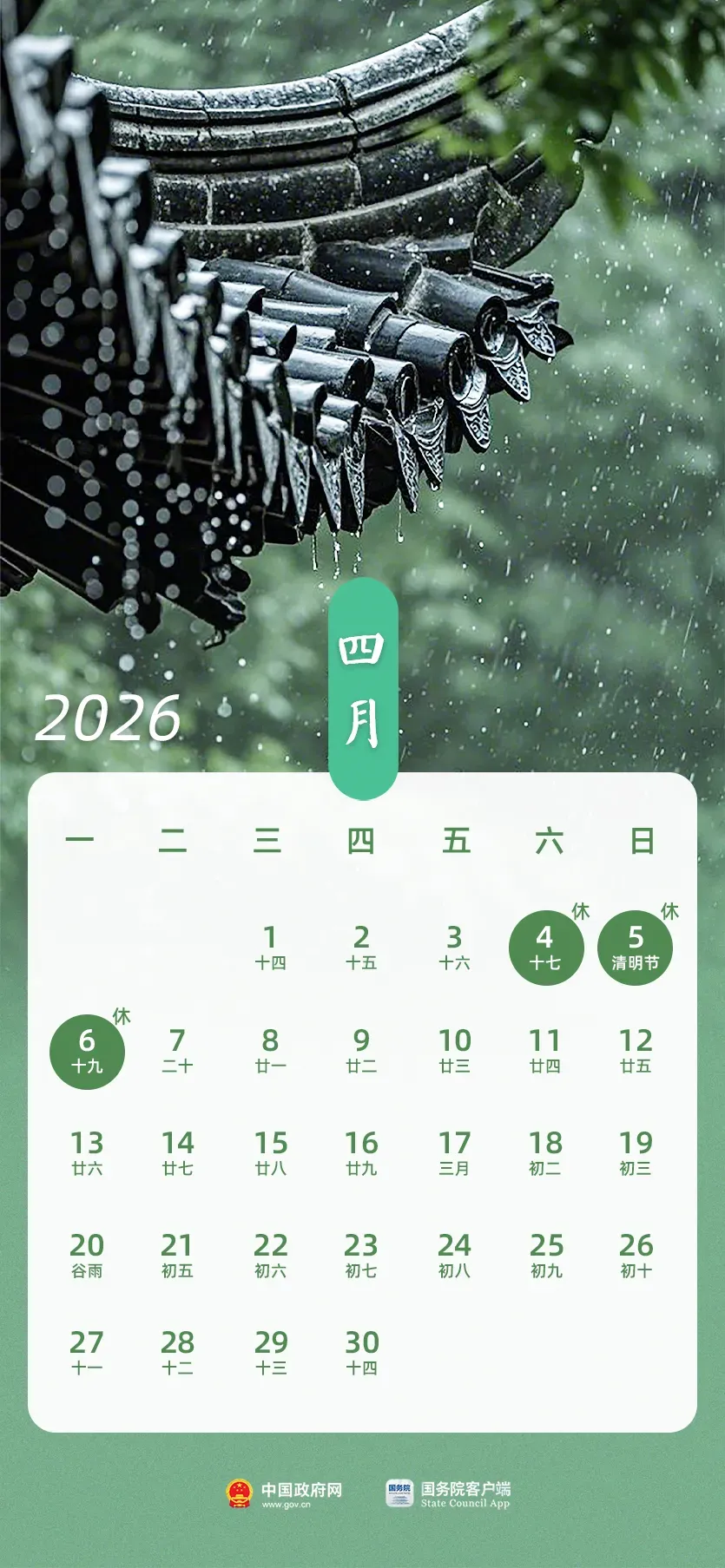
Tomb-Sweeping Day also called Chinese Memorial Day, it holds great significance in China. I celebrate this time to honor my ancestors and welcome spring. During this period, families gather to pay respects to loved ones. Typically, we receive one day off for this day. Ningbo Blue Fuji will arrange 3 days vacation from April 4th to April 6th.
Cultural Significance
The Qingming Festival holds immense cultural significance in today’s society. I see it as a time when families gather to honor their ancestors. This practice reinforces our family bonds and reminds us of our roots. Despite modern influences, traditional beliefs about the afterlife and ancestor worship remain strong. The act of cleaning tombs and making offerings is essential for ensuring good fortune. This blend of tradition and modernity makes the festival relevant today.
The Tomb-Sweeping Day’s rituals are deeply ingrained in Chinese culture, contributing to social stability and reinforcing the concept of family and community.
Family and Community Connections
I cherish how the Tomb-Sweeping Day strengthens connections within families and communities. During this time, many families travel to their hometowns, reconnecting with loved ones. We often share meals and participate in traditional activities, creating a warm atmosphere filled with laughter and storytelling.
Here are some ways the festival fosters community bonds:
- Families engage in outdoor activities like kite flying and picnicking.
- These shared experiences bring people together, whether in urban or rural settings.
- The festival encourages family reunions, where we bond over shared memories.
I find that these interactions not only strengthen family ties but also foster a sense of belonging within our communities. The Qingming Festival truly embodies the spirit of togetherness, reminding us of the importance of family and cultural heritage.
What is the Tomb-Sweeping Day?
The Tomb-Sweeping Day is a time for honoring ancestors and celebrating spring. Families gather to clean graves and enjoy outdoor activities.
How long is the holiday for Tomb-Sweeping Day?
Typically, companies grant three days off (4.4~4.6) for the Qingming Festival. Some may offer one day off, depending on their policies.
Why is ancestor worship important during Qingming?
Ancestor worship reinforces family bonds and cultural heritage. It reminds us of our roots and the importance of honoring those who came before us.