The difference between a building having an elevator or not
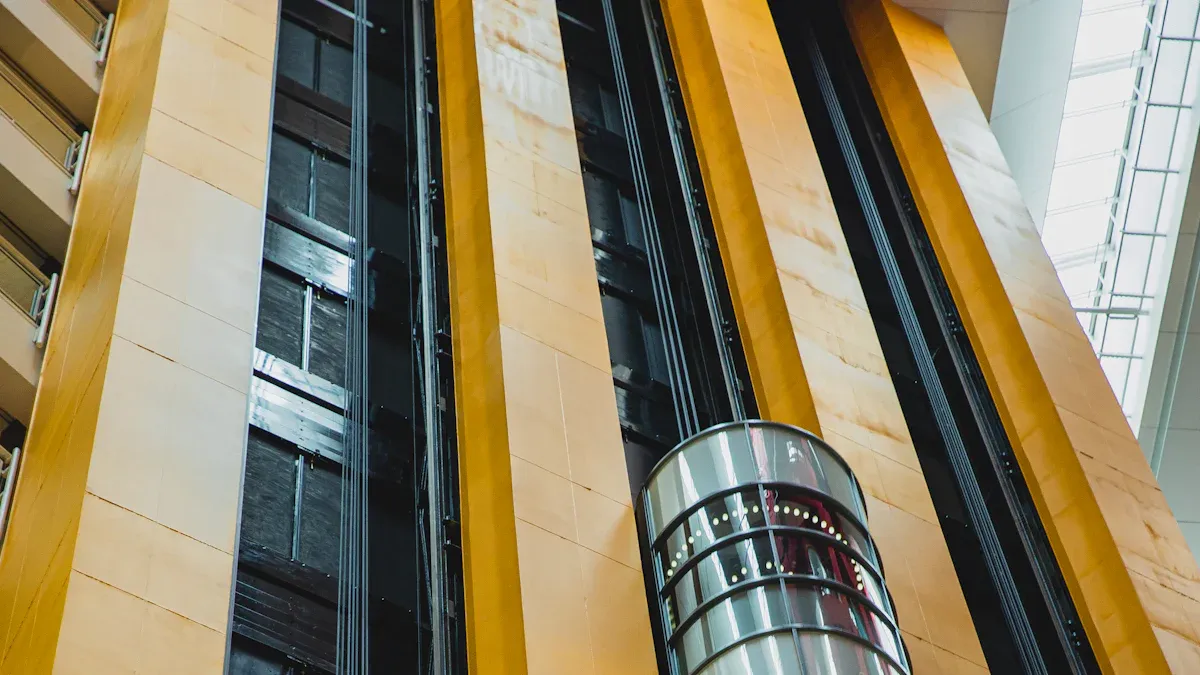
Many buyers see a clear difference between homes with or without an elevator. An elevator can boost a home’s value by up to 25%, making life easier for seniors and families with mobility needs. Still, installation costs often start at $40,000, and maintenance can be expensive.
Key Takeaways
- Elevators make homes safer and more accessible for seniors, families with children, and people with mobility challenges, improving daily life by easing movement and reducing fall risks.
- Homes with elevators often use space more efficiently, allowing for open floor plans and better shared areas, which can make the home feel larger and more comfortable.
- Installing an elevator can increase a home’s value by up to 25%, attract more buyers, and future-proof the property as urban living and aging populations grow.
Elevator Convenience and Accessibility

Who Benefits Most from Elevators
Many people find that an elevator changes how they live at home. Seniors, people with disabilities, and families with young children often need extra help moving between floors. An elevator gives them safe and easy access to every part of the house.
- Seniors can stay in their homes longer because they do not have to worry about stairs.
- People with mobility challenges, like those who use wheelchairs or walkers, can move freely between floors.
- Parents with strollers or heavy groceries find it much easier to get around.
- Multigenerational families, where grandparents and grandchildren live together, enjoy more comfort and safety.
Modern elevators also fit well into small spaces. They take up less room than a staircase and can be customized to match the home’s style. Many new elevators come with smart features, such as quiet operation, remote controls, and energy-saving designs. These features make life easier for everyone in the house.
Note: Nearly 1 in 6 Americans are now 65 or older, but only about 10% of homes are ready for aging residents. As more people choose to live in multistory homes, the need for elevators keeps growing.
Daily Life with and without an Elevator
Life feels very different in a house with an elevator compared to one with only stairs. People who have an elevator can reach every floor, no matter their age or health. Carrying laundry, groceries, or luggage becomes much simpler. Parents do not have to worry as much about children or older adults falling on the stairs.
- Elevators make it easy to move heavy or bulky items between floors.
- They lower the risk of falls, which is important for both kids and seniors.
- Many elevators now offer features like voice activation, remote control, and automated scheduling. These tools help everyone use the elevator with less effort.
- Safety features, such as obstacle sensors and emergency stops, add peace of mind.
In homes without an elevator, stairs can become a daily challenge. People with injuries or disabilities may find it hard to reach upper floors. Even simple tasks, like bringing up groceries, can feel tiring. Some families may need to move or remodel their homes as they age.
A table below shows some key differences:
| Daily Task | With Elevator | Without Elevator |
|---|---|---|
| Carrying groceries | Easy and safe | Can be difficult |
| Moving furniture | Simple | Hard and risky |
| Access for all ages | Yes | Limited |
| Risk of falls | Low | Higher |
| Smart features | Available | Not available |
Tip: Modern elevators run quietly and use less energy, making them a smart choice for busy families and those who want to save on utility bills.
Elevator Impact on Space and Layout
Usable Space Differences
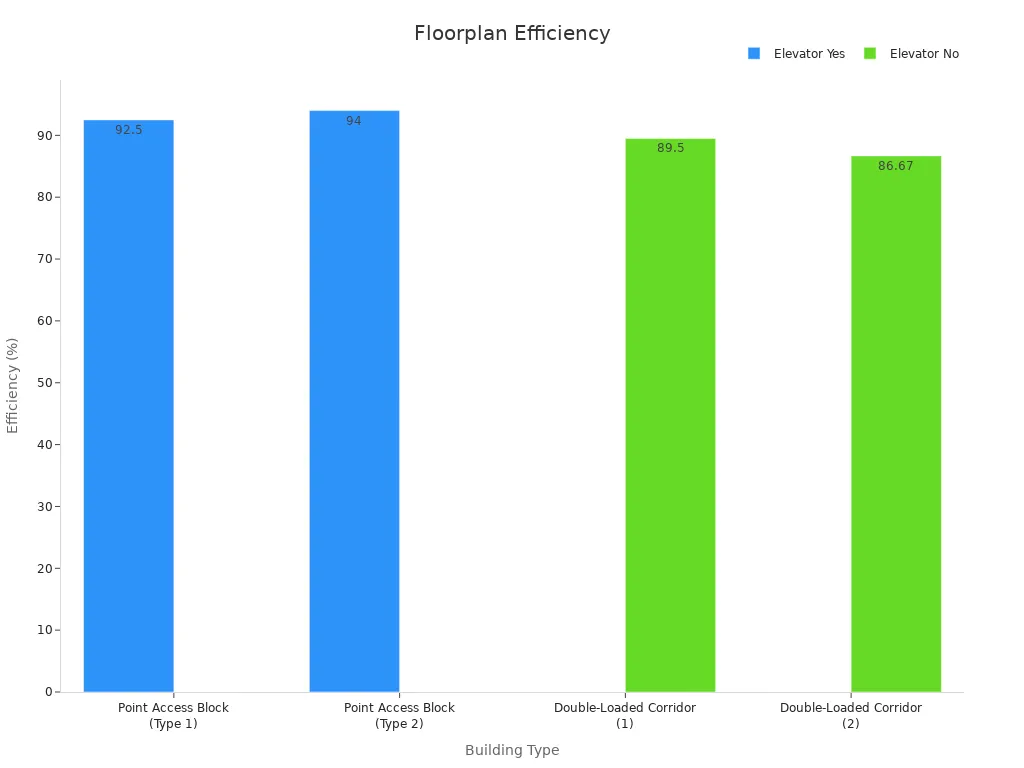
Space matters a lot when people choose a home. Some buyers worry that an elevator will take up too much room. In reality, the impact depends on the building’s design. A well-placed elevator can actually save space compared to a wide staircase. For example, in many modern apartment buildings, designers use point access blocks. These buildings often have elevators and show higher floorplate efficiency.
Take a look at this table:
| Building Type | Elevator Presence | Floorplate Efficiency (%) |
|---|---|---|
| Point Access Block (Type 1) | Yes | 92.5 |
| Point Access Block (Type 2) | Yes | 94 |
| Double-Loaded Corridor (1) | No | 89.5 |
| Double-Loaded Corridor (2) | No | 86.67 |
Point access blocks with elevators reach up to 94% efficiency. Double-loaded corridor buildings without elevators drop to about 86.67%. This means homes with elevators can use more of their floor area for living space, not just for hallways or stairs.
Tip: A smart floor plan can make a home feel bigger, even if the elevator takes up some space.
Shared and Public Areas
Shared spaces change when a building has an elevator. In many apartment buildings, the elevator becomes a central spot where neighbors meet. People often chat while waiting for the elevator or help each other with heavy bags. This can make the building feel friendlier.
Without an elevator, stairwells and hallways take up more space. These areas may feel less inviting. Some people avoid using the stairs unless they have to, so they see their neighbors less often. In homes with elevators, designers can shrink the size of staircases and use that extra space for things like a bigger lobby, a play area, or even a small gym.
- Elevators can help create more open and flexible public spaces.
- Buildings without elevators may need wider stairs and longer hallways, which can feel cramped.
Floor Plan and Design Considerations
Designers think carefully about where to put an elevator. They want to make sure it is easy to reach from every part of the building. Good placement can save time and make life easier for everyone. In some homes, the elevator sits near the entrance. In others, it stands in the center, so every room is close by.
A home with an elevator often has a more open floor plan. Fewer stairs mean fewer walls and more space for furniture or decorations. Families can move around more easily. People with strollers or wheelchairs do not have to worry about narrow hallways or sharp turns.
- Designers use elevators to connect different parts of a home or building.
- A well-placed elevator can make a small home feel much larger.
- Open layouts work best when the elevator is easy to find and use.
Note: Building codes and safety rules also affect where elevators and stairs go. Designers must follow these rules to keep everyone safe.
Elevator Costs and Maintenance
Property Fees and Ongoing Expenses
Living in a building with an elevator often means higher monthly fees. These fees help cover the cost of running and maintaining the elevator. In most places, homeowners pay between $75 and $750 each month for elevator upkeep. The price depends on the type of elevator, how many floors it serves, and the service contract. Full service contracts cost more but cover most repairs and emergencies. Partial or basic contracts are cheaper, but owners might pay extra when something breaks. Asking the building manager about what the fees include can help families avoid surprises.
Elevator Maintenance and Repairs
Keeping an elevator in good shape takes regular care. Maintenance visits usually happen every month or quarter. The schedule depends on how often people use the elevator, its age, and the building’s environment. Some buildings have full service contracts that include repairs and emergency help. Others choose basic plans that only cover simple checks and oiling. Here are some things that affect maintenance:
- How many people use the elevator each day
- The age and type of elevator
- Weather and dust in the area
- Past repair history
A local specialist can fix problems quickly and keep the elevator running smoothly. This helps everyone in the building feel safe and comfortable.
Hidden and Unexpected Costs
Sometimes, elevator costs go beyond what people expect. Permit fees, building codes, and safety rules can add thousands to the budget. Older buildings may need extra work, like making the shaft stronger or removing asbestos. Some elevator brands use special parts that cost more to fix. Upgrading only part of the system can lead to more repairs later. Other hidden costs include electrical upgrades, fire safety changes, and taxes. These extra expenses can add 20-40% to the total project cost. Planning ahead and asking lots of questions can help families avoid budget surprises.
Elevator Safety and Reliability
Emergency Situations and Access
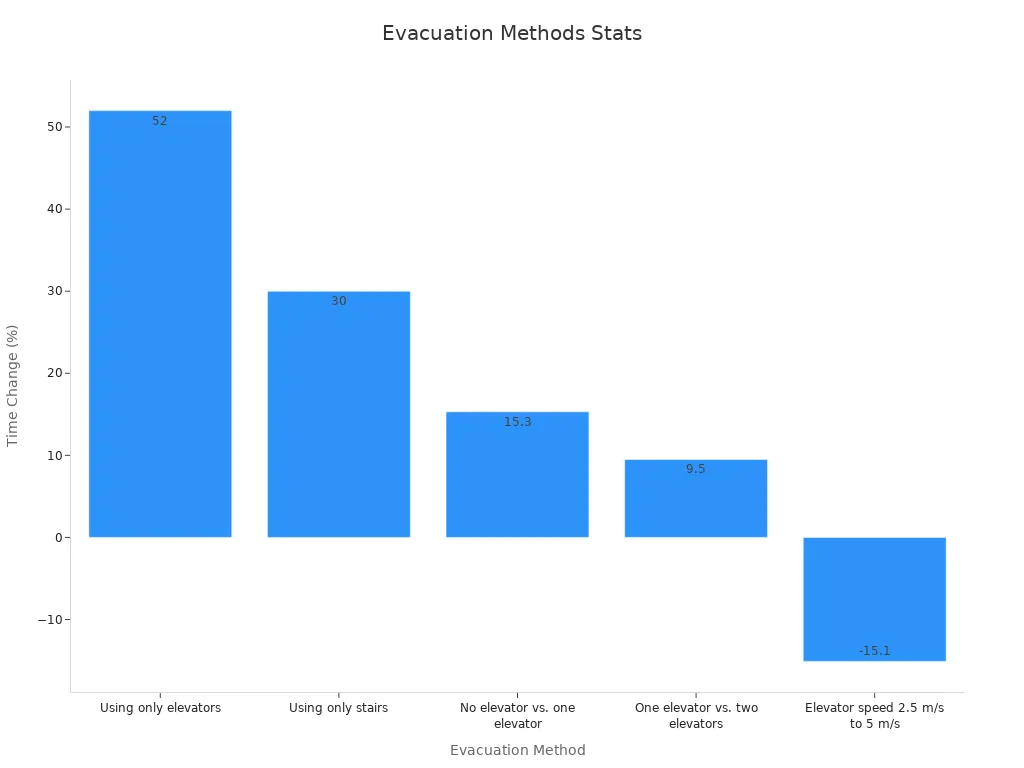
When emergencies happen, people want to get out of the building quickly and safely. In tall buildings, elevators can help, but they also bring some challenges. Studies show that using only elevators during an evacuation can increase the time it takes by 52%. Relying only on stairs makes evacuation 30% slower than using both elevators and stairs together. Adding more elevators or making them faster can help people leave the building faster, especially for older adults who may have trouble with stairs.
| Evacuation Method | Relative Evacuation Time Increase |
|---|---|
| Using only elevators | 52% higher |
| Using only stairs | 30% higher |
| No elevator vs. one elevator | 15.3% higher |
| One elevator vs. two elevators | 9.5% higher |
| Elevator speed 2.5m/s to 5m/s | 15.1% reduction |
Real-life events, like fires in high-rise buildings, show that elevators can be risky if not designed for emergencies. Power failures or smoke can make them unsafe. However, new safety systems, such as pressurized shafts and special fire codes, now allow some elevators to work safely during emergencies. These changes help people with limited mobility and make evacuation smoother.
Elevator Risks Compared to Stairs
Many people worry about elevator accidents, but the numbers tell a different story. Elevator-related deaths are extremely rare—about five deaths per 18 billion trips each year. In contrast, stair accidents cause around 1,600 deaths every year. People are about 60 times more likely to die from using stairs than from riding an elevator.
- About 1 million people visit the emergency room each year because of stair accidents.
- Most elevator injuries happen to maintenance workers, not passengers.
- Stairs can be dangerous due to loose railings, poor lighting, or uneven steps.
- Elevators have strict safety rules, regular inspections, and many backup systems.
| Aspect | Elevators | Stairs |
|---|---|---|
| Annual injuries (US) | <18,000 | Over 8.7 million |
| Annual deaths (US) | 25-30 | >30,000 |
| Main risk | Maintenance work | Falls, fractures, head injury |
Elevators are not perfect, but they are much safer than stairs for most people. Regular checks and new technology keep them reliable and safe for daily use.
Elevator Influence on Property Value and Market Trends
Resale Value and Market Demand
Buyers in cities often look for homes that offer both comfort and convenience. Properties with elevator access usually sell for higher prices than those without. Market reports show that installing an elevator can boost a home’s resale value by up to 25% in urban areas. This increase is even more noticeable in high-rise buildings and luxury homes.
Here’s a table that breaks down the impact:
| Aspect | Details |
|---|---|
| Property Value Impact | 25% of elevator installations improve property resale value in urban areas |
| Market Segments | 50% installations in private homes, 30% in multi-story housing, 20% from renovations |
| Growth Drivers | Urbanization (25%), aging populations, luxury housing demand (30%), accessibility policies (15%) |
| Technological Trends | 40% feature energy-saving tech, 35% smart connectivity, 25% demand for compact models |
| Renovation Influence | 20% of market from retrofits to improve mobility and convenience |
| Government Support | Subsidies in emerging economies encourage elevator inclusion |
| Market Forecast | Continued growth to 2032 driven by urbanization and demographic trends |
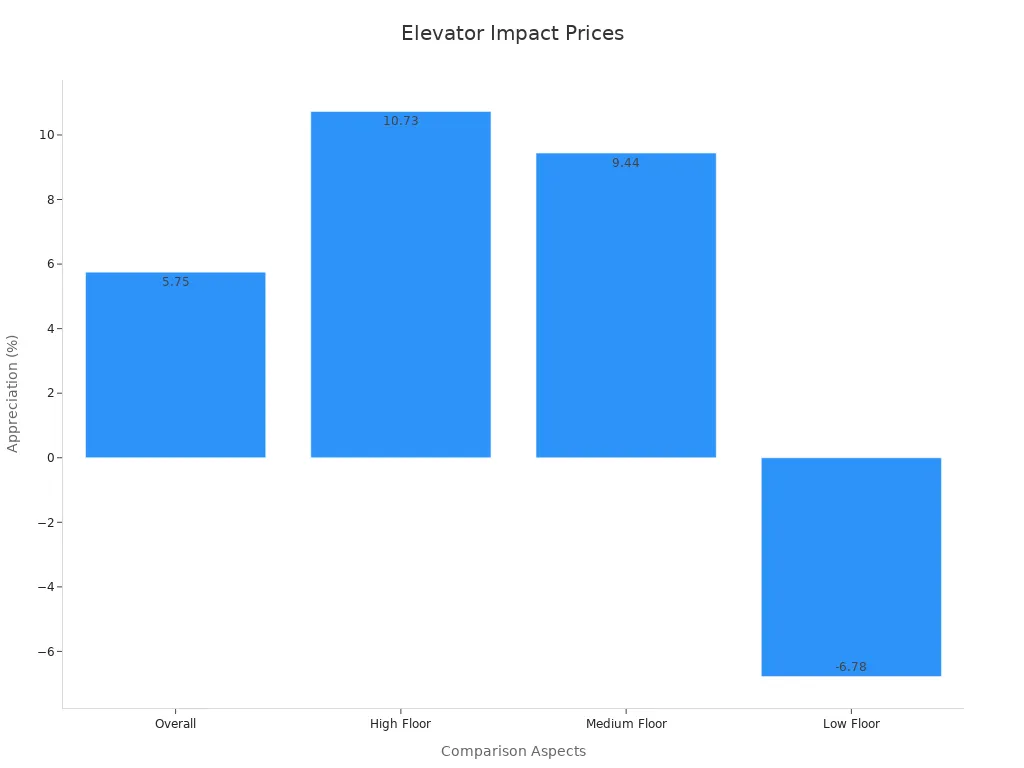
Statistical studies also show that homes with elevator access see an average price appreciation of 5.75%. High-floor units benefit the most, with price increases over 10%. Low-floor units may see a drop in value due to noise or less sunlight. Matching studies confirm that these trends hold true even when comparing similar properties.
Homes with elevators attract more buyers, especially in areas with many seniors or families who want easy access to every floor.
Future-Proofing Your Investment
Real estate experts see elevators as a smart way to future-proof a property. Cities keep growing taller, and more people want to live in high-rise buildings. In 2024, over 112,000 high-rise homes are being built worldwide, and almost all of them need elevators. The residential sector installed more than 580,000 new units this year alone.
- Asia-Pacific leads the way, with China and India installing the most new elevators.
- Smart elevator technology, like IoT sensors and AI features, now appears in over a third of new installations.
- More than 620,000 elevators were modernized in 2024 to meet new safety and energy standards.
- Green building certifications and energy-efficient models are in high demand, helping owners save money and protect the environment.
Investors and homeowners who add or upgrade elevators make their properties more attractive and ready for the future. These upgrades help buildings stay competitive as cities grow and technology changes.
Elevator Suitability for Different Buyers
Family Structure and Age Considerations
Different families have different needs when choosing a home. A young couple might not think much about stairs. They can move up and down easily. Parents with small children often worry about safety. Stairs can be risky for toddlers who love to explore. Grandparents or older adults may find stairs hard to climb. They want a home that feels safe and easy to move around in.
A family with several generations living together will see the benefits of an elevator. It helps everyone reach each floor without trouble. People who plan to stay in their home as they age also look for this feature. They want to avoid moving again later.
Tip: Families who expect to welcome elderly relatives or new babies soon should think about future needs, not just today’s comfort.
Lifestyle and Daily Habits
People live in many ways. Some enjoy carrying groceries or laundry up the stairs for exercise. Others prefer to save time and energy. Busy professionals often want a home that makes life easier. An elevator can help them move quickly between floors, especially when they have lots to carry.
Pet owners may find it easier to take their animals outside if they do not have to use stairs. People who host parties or have guests often like the convenience, too. They can welcome everyone, no matter their age or ability.
A table below shows how different habits match with home features:
| Habit or Need | Best Fit |
|---|---|
| Loves exercise | Stairs |
| Needs quick access | Elevator |
| Multigenerational | Elevator |
| Enjoys quiet spaces | Stairs |
Choosing a home with an elevator brings more comfort and easy access. Stairs give families extra space and lower costs. Every family has different needs. They should think about age, mobility, and future plans. Want a quick tip? Make a list of what matters most before making a choice.
FAQ
How much space does a home elevator usually take?
Most home elevators need about 15 to 20 square feet. Some compact models fit in smaller spaces. Designers can help find the best spot.
Can a home elevator work during a power outage?
Most modern elevators have backup batteries. These batteries let the elevator reach the nearest floor safely. People should check this feature before buying.
Is it hard to add an elevator to an old house?
Adding an elevator to an older house can be tricky. Some homes need extra changes. A professional can check if the house is a good fit.