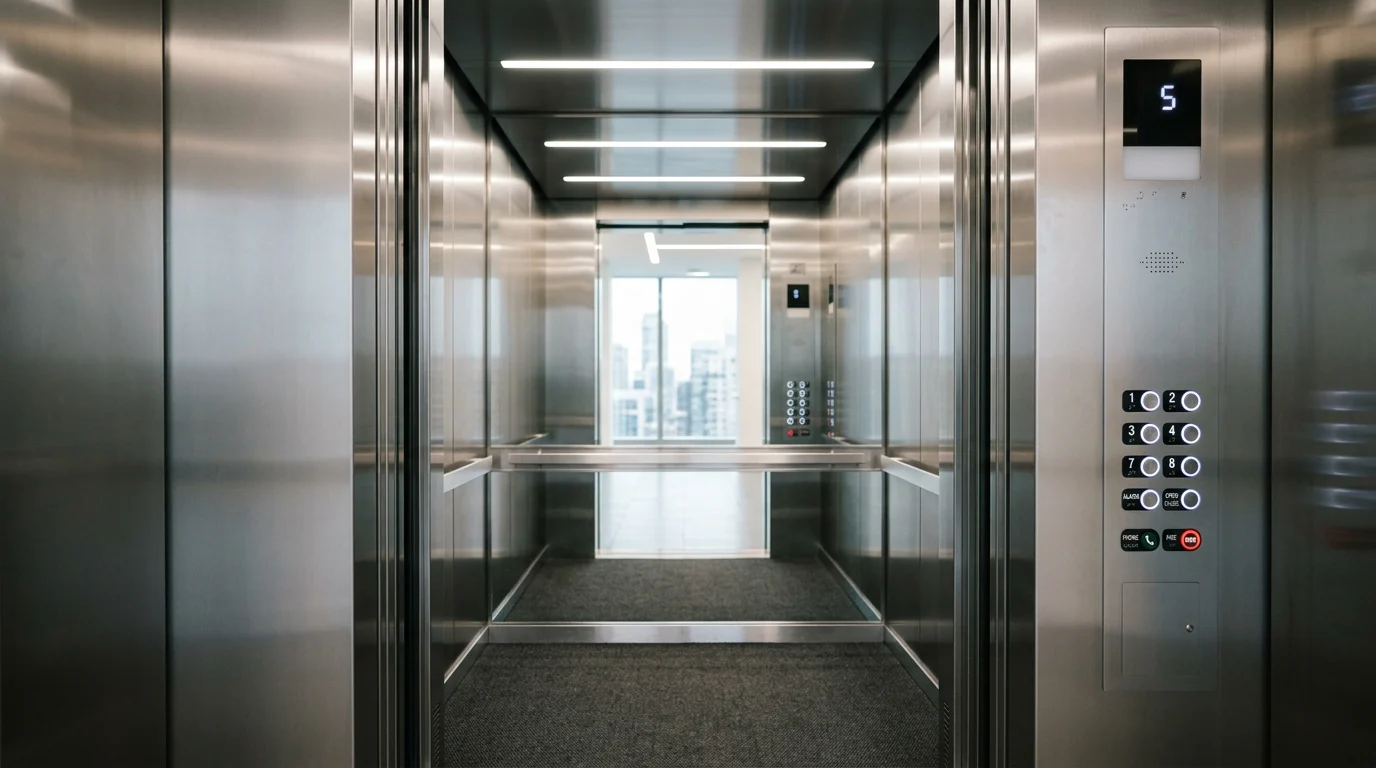
When Elevator Air Conditioning Is Necessary
Stepping into an elevator on a hot summer afternoon can sometimes feel like entering a sauna. When the doors slide shut, passengers may find themselves in a stifling, unventilated metal enclosure. For managers of commercial buildings, hotels, or upscale residential properties, determining whether to add air conditioning to an elevator cabin is a critical operational question rather than a mere luxury.
Elevators require significant investment to operate and maintain, and adding climate control introduces another layer of mechanical complexity. However, depending on the building’s architectural design, geographic location, and tenant expectations, omitting air conditioning can result in increased tenant complaints and negatively impact the building’s premium reputation, potentially outweighing the savings in upfront equipment costs. It is important to clarify early on that while basic cabin ventilation is typically code-mandated, active air conditioning remains an optional comfort upgrade. Additionally, specific figures for airflow, cooling capacity, and equipment weight discussed throughout this article are illustrative, as individual manufacturer specifications will vary.
Cabin Heat, Airflow, Ride Time, and Passenger Comfort
Heat inside an elevator cabin originates from several overlapping sources. The elevator shaft itself can act as a chimney due to the stack effect; warm air rises and can accumulate if the shaft is not properly vented at the top. Furthermore, heat generated by the building’s mechanical rooms can seep into the shaft. Inside the cabin, lighting fixtures and door mechanisms generate heat, and the presence of multiple passengers in a compact, enclosed space rapidly increases the ambient temperature. For properties featuring panoramic glass elevators, solar gain is a separate but compounding issue. The glass creates a greenhouse effect, which can push internal cabin temperatures above 35°C (95°F) depending on the region and sun exposure.
Ride time also plays a significant role in passenger comfort. In low-rise buildings with brief 15-second transit times, minor temperature fluctuations are generally tolerated. However, in mid-rise or high-rise towers where a single ride might take 45 to 60 seconds—often with multiple stops—trapped heat becomes highly problematic. Extended exposure to poor cabin climates can negatively impact passengers’ perception of the building’s overall quality and management.
Ventilation vs. Fan vs. Air Conditioning
Before committing to a full air conditioning setup, facility managers should evaluate baseline airflow options. Most standard elevators are equipped with basic ventilation or exhaust fans, which function differently from active air conditioning.
Passive ventilation relies on the physical movement of the cabin traveling through the shaft to push air in and out of the vents. An active exhaust fan provides motorized circulation, typically moving between 200 and 300 cubic feet per minute (CFM) of air based on cabin size. While passive ventilation is inconsistent and relies entirely on the cabin’s movement, an active exhaust fan provides a steady breeze. This motorized circulation improves perceived comfort through evaporative cooling on passengers’ skin, even though it does not lower the actual air temperature or remove humidity. If the ambient shaft air is 30°C, the exhaust fan simply circulates that 30°C air.
As a general guideline, if your maximum ride duration is under 30 seconds and ambient shaft temperatures rarely exceed 25°C (77°F), standard fans are often sufficient. However, if ride times exceed 45 seconds or ambient temperatures consistently breach 30°C (86°F), active air conditioning is often required to maintain acceptable thermal comfort.
| System Type | Mechanism | Cooling Effect | Best Use Case |
|---|---|---|---|
| Passive Ventilation | Shaft airflow via base vents | None (inconsistent ambient air movement) | Basic low-rise buildings in mild, dry climates |
| Exhaust Fan | Motorized air circulation (e.g., 200-300 CFM) | Steady breeze effect; improves perceived comfort | Mid-rise buildings with well-ventilated standard shafts |
| Air Conditioning | Refrigerant-based active cooling | Lowers temperature below ambient depending on thermal load and cabin size; removes humidity | High-end commercial, glass shafts, hot & humid climates |
Choosing Built-In Elevator Air Conditioning

When soaring summer temperatures render standard ceiling fans inadequate, upgrading to a built-in elevator air conditioner is a practical solution for passenger comfort. However, facility managers cannot simply install standard residential window units on a cabin roof.
Elevator AC units are highly specialized commercial systems. They are engineered to handle constant vertical movement, sudden stops, intense vibration, limited condenser airflow, and restricted maintenance access. Choosing the appropriate unit requires evaluating the cabin’s physical specifications, the building’s electrical infrastructure, and applicable life-safety codes (such as ASME A17.1 or the EN 81 series).
Crucially, facility managers must also account for fire-safety and smoke-control codes. Elevator air conditioning can interfere with life-safety systems, particularly shaft pressurization requirements designed to keep smoke out of hoistways during a fire. Any installation must be rigorously reviewed to ensure it does not compromise these critical safety mechanisms.
Cooling Capacity, Power Use, Space, and Maintenance
Cooling capacity is a primary technical consideration. Depending on regional climates and cabin dimensions, standard commercial elevators typically require units with a cooling capacity ranging from 8,500 to 12,000 BTUs (roughly 2.5 to 3.5 kilowatts of cooling power). This range is generally sufficient to keep a standard 1,000 kg capacity passenger cabin comfortable during peak usage.
Power consumption and maintenance are the next factors to address. These specialized cooling units typically draw between 10 to 15 amps on a standard 220V/230V circuit. Facility managers should carefully consider the system’s duty cycle: units configured to run continuously consume significantly more power, generate more ambient noise, and require more frequent maintenance than those utilizing occupancy sensors to operate only when the cabin is occupied or on standby. It is critical to verify that the elevator’s traveling cable has the spare electrical conductors necessary to handle this additional load safely. Facility managers must also factor in lifecycle reliability challenges, such as restricted maintenance access in the shaft and the potential for added vibration transmission into the cabin.
How to Decide Before Installation
Before you commit to upgrading your elevator or lift cabin, you need to evaluate your building’s unique environment. Not every lift requires a dedicated cooling system, so making an informed choice saves both upfront costs and long-term energy bills.
Site Assessment and Practical Checks
Start by looking at the physical environment around your lift. The American Society of Heating, Refrigerating and Air-Conditioning Engineers (ASHRAE) provides building guidelines suggesting that elevator hoistways and machine rooms should generally remain between 50°F and 90°F (10°C to 32°C) for optimal equipment performance and passenger safety. To see if your setup naturally meets these standards, check the following:
- Shaft material: Glass hoistways act like greenhouses, trapping solar heat. Solid concrete shafts, on the other hand, naturally insulate and stay much cooler.
- Natural ventilation: Does the hoistway have adequate cross-ventilation, louvers, or existing exhaust fans?
- Traffic volume: A crowded elevator cabin generates significant human body heat. Assess your peak passenger loads during the busiest times of the day.
When to Install, Delay, or Avoid Air Conditioning
Use these practical scenarios to guide your final decision on whether to actively cool your lift cabin:
- When to Install: You should definitely install an AC unit if your elevator operates in a glass shaft exposed to direct sunlight, sits in a tropical climate, or serves a high-traffic commercial building (like a luxury hotel or hospital) where passenger comfort is non-negotiable.
- When to Delay: If you are currently modernizing your elevator’s mechanical components, wait. Newer, energy-efficient traction systems generate far less heat than older hydraulic models. You might find that the ambient shaft temperature drops enough after the upgrade to make AC unnecessary.
- When to Avoid: Skip the AC for low-rise residential lifts in temperate climates. For these simpler setups, standard cabin exhaust fans are usually more than enough to keep the air fresh and comfortable without the heavy energy draw of a dedicated compressor.
Key Takeaways
- Treat elevator air conditioning as a comfort upgrade rather than a default requirement, since most cabins need ventilation but not necessarily active cooling.
- Prioritize air conditioning for hot climates, glass elevators, premium properties, and mid-rise or high-rise buildings where rides may last 45 to 60 seconds.
- Use active exhaust fans to improve perceived comfort, but remember that typical 200 to 300 CFM airflow will not reduce temperature or humidity.
- Assess heat sources such as shaft stack effect, mechanical rooms, lighting, passengers, and solar gain before choosing a cooling strategy.
- For low-rise buildings with rides around 15 seconds, well-designed ventilation or fan circulation may be sufficient without the added complexity of air conditioning.
- Confirm cooling capacity, equipment weight, power needs, and maintenance requirements with the elevator manufacturer before retrofitting cabin air conditioning.
Frequently Asked Questions
Is air conditioning required in elevator cabins?
Usually no. Basic cabin ventilation is typically required by code, but active air conditioning is generally an optional comfort upgrade based on building type, climate, ride duration, and passenger expectations.
When does an elevator cabin need air conditioning?
Air conditioning is most useful in hot climates, high-rise buildings, glass panoramic elevators, hotels, premium residences, and commercial properties where rides may last 45 to 60 seconds or passenger comfort affects building perception.
Can an elevator fan replace air conditioning?
A fan can improve perceived comfort by circulating air, often around 200 to 300 CFM, but it does not lower cabin temperature or remove humidity like an air-conditioning system.
Why do elevator cabins get so hot?
Heat can come from passengers, lighting, door mechanisms, warm elevator shafts, nearby mechanical rooms, and solar gain in glass cabins. Poor shaft ventilation can make the cabin feel even more stifling.
Are short elevator rides comfortable without air conditioning?
Often yes. In low-rise buildings with rides of about 15 seconds, passengers usually tolerate minor temperature changes if ventilation or fan circulation is adequate.