Elevator Lifts and Urban Sprawl An Analysis of 2026 Trends
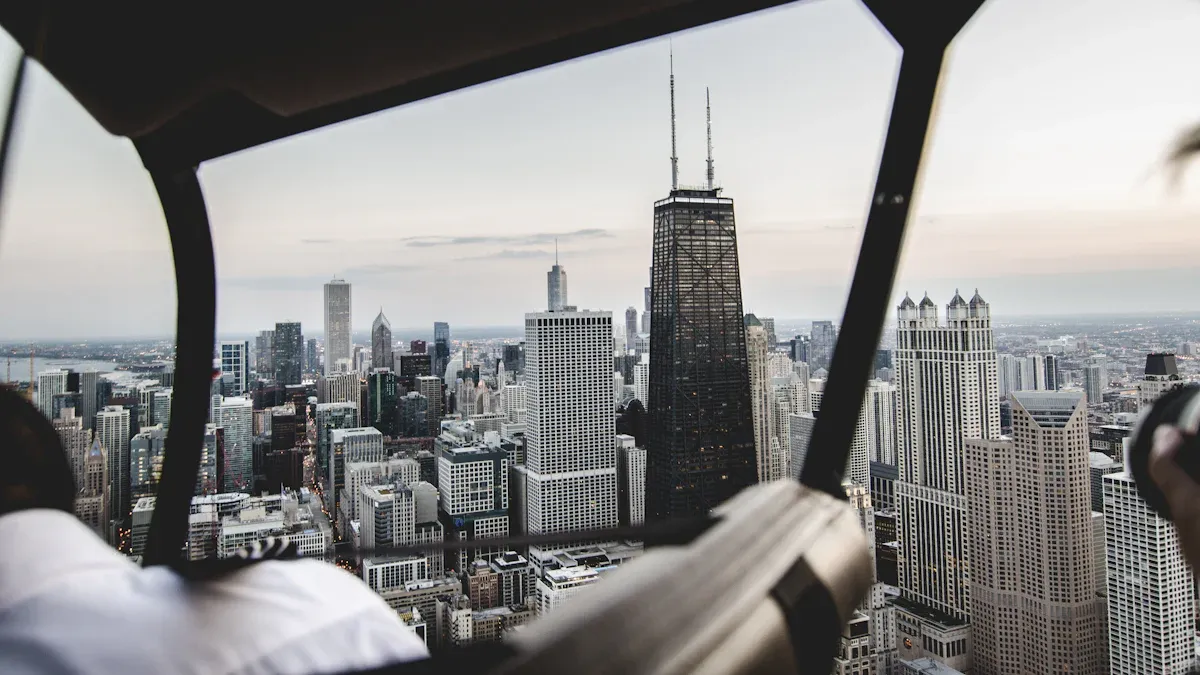
Advanced elevator lift technology will significantly influence urban population distribution by 2026. Researchers estimate 81% of the global population will reside in urban areas by this time. This technology enables denser vertical development, expanding habitable zones within skyscrapers. The modern elevator, acting as a vital lift, alters traditional urban sprawl patterns.
Key Takeaways
- New elevator technology helps cities grow up, not out. This means more tall buildings and less spread-out growth.
- Advanced elevators make buildings more efficient. They save energy and allow for new designs, like multi-directional movement.
- Vertical living creates new communities. It helps cities use land better and offers more services in one place.
The Evolution of Vertical Transportation: 2026 Elevator Lift Innovations
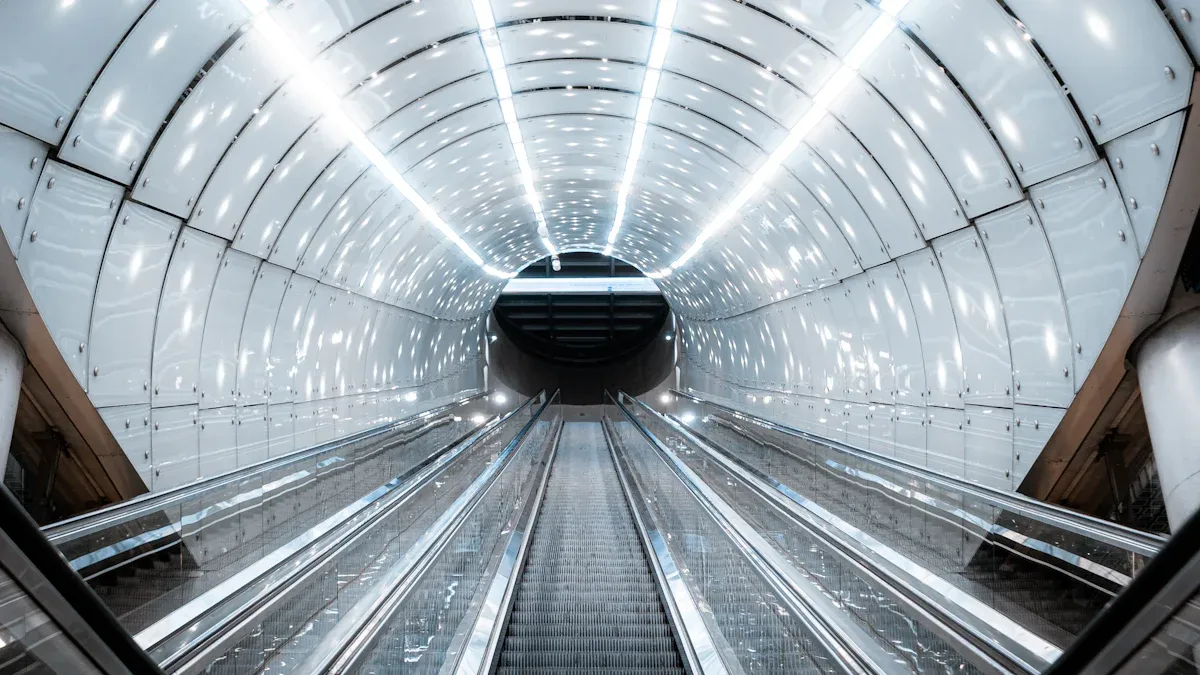
Faster, Smarter, and More Efficient Elevator Lifts
By 2026, elevator technology will prioritize speed, intelligence, and efficiency. Modernization efforts focus on eco-friendly features. Regenerative drives capture and reuse energy during descent. This significantly reduces the environmental footprint. LED lighting systems and efficient motor technology also contribute to lower power consumption. These upgrades result in significant cost savings for building operators. Smart controls optimize elevator travel, reducing unnecessary trips and idle times. Green building certifications now require these energy-efficient systems.
Multi-directional and Ropeless Elevator Lift Systems
The future of vertical transportation includes revolutionary multi-directional and ropeless systems. ThyssenKrupp leads the development of multi-directional elevator lift systems. They created elevators using a magnetic motor. This motor facilitates both lateral and vertical movement within a system of horizontal and vertical loop structures. This innovation enhances elevator efficiency, convenience, and space utilization. Ropeless technology also brings new safety considerations. Manufacturers employ multi-propulsion systems and braking systems within the cabins. They also utilize proven safety control systems, like the TWIN elevator system, to ensure passenger security.
Reshaping Urban Density and Habitable Zones with Elevator Lifts

Advanced elevator technology fundamentally changes how cities grow. It allows urban planners and developers to rethink building design and population distribution. This shift moves away from horizontal expansion towards more concentrated vertical growth.
Enabling Ultra-Tall and Super-Dense Structures
Modern elevator systems are crucial for constructing the next generation of skyscrapers. These systems allow buildings to reach unprecedented heights. KONE’s UltraRope technology exemplifies this progress. This innovation uses a carbon-fiber core and a high-friction coating. It enables elevators to travel up to 1000 meters (3280 feet). This significantly exceeds the previous maximum of 500 meters (1640 feet). The UltraRope weighs 90% less than traditional steel ropes for a 500-meter travel distance. This weight reduction makes a one-mile tower potentially feasible. The Kingdom Tower in Jeddah, Saudi Arabia, will reach a kilometer in height. It implements KONE’s UltraRope technology. This project features the world’s highest single elevator rise, reaching 660 meters. Such advancements allow architects to design super-dense structures. These buildings can house more people and businesses within a smaller urban footprint.
Expanding the ‘Desirable Floor’ Range
Historically, the highest floors in skyscrapers often presented challenges due to longer travel times. Advanced elevator systems have transformed this perception. High-speed elevators now reach speeds of up to 2000 feet per minute. This enables swift transportation between floors. These systems can complete journeys of 50 floors in minutes. This significantly reduces travel time and enhances movement efficiency within tall buildings. High-speed elevators can lead to a 30% reduction in passenger journey time. This greatly improves user satisfaction and building efficiency. Gearless traction technology and permanent magnet motors contribute to this speed and efficiency. Double-decker elevators and sky lobby systems further optimize passenger flow.
Modern elevator systems also enhance the overall user experience. They include smart access control, advanced safety features, and user-friendly designs. These features make all floors, including the highest ones, more appealing. A luxury skyscraper that upgraded its elevator system saw an immediate increase in tenant inquiries. Rental rates in this building rose by an average of 15%. This demonstrates how investing in quality elevator systems leads to higher occupancy and substantial financial returns.
Vertical Communities and Mixed-Use Developments
Advanced elevator technology supports the creation of vibrant vertical communities. These communities integrate residential, commercial, and recreational spaces within single structures. This approach offers numerous benefits. It promotes efficient land use, accommodating more people in less space. This helps preserve natural areas and reduces urban sprawl. A single skyscraper can house as many people as 50 blocks of single-family homes. Integrating these spaces also reduces the environmental footprint. It concentrates services and infrastructure, lowering resource consumption and transportation emissions.
Vertical communities foster a strong sense of community life. Shared spaces like gardens, gyms, and coworking areas promote social interaction. Residents gain better access to amenities such as employment, schools, and public services. This significantly reduces daily commute times. Examples of successful vertical communities include Anglicare Woolooware Shores in Sydney. This development combines independent seniors living apartments with aged care facilities. It creates a multi-generational community with integrated community spaces. The Indooroopilly Project in Brisbane also integrates social, affordable, and build-to-sell housing with commercial and retail spaces. These projects demonstrate the potential for integrated urban developments.
Impact on Urban Sprawl and Infrastructure from Elevator Lifts
Advanced vertical transportation systems fundamentally alter urban development patterns. These systems allow cities to grow upward rather than outward. This shift has significant implications for urban sprawl and existing infrastructure.
Mitigating Outward Expansion
Modern elevator lift technology plays a crucial role in curbing urban sprawl. It enables the construction of taller, denser buildings. This reduces the need for cities to expand horizontally into surrounding natural landscapes. Compact urban design promotes higher-density, mixed-use developments. This design reduces travel distances and improves walkability. Water-sensitive urban design integrates green infrastructure. This includes green roofs, permeable pavements, and bioswales. These features manage stormwater naturally and improve water quality. They reduce water pollution and increase groundwater recharge.
Preserving more green space protects wildlife. It also gives people access to nature. Energy-efficient buildings cut carbon emissions and costs. Sustainable transport links neighborhoods while reducing traffic and pollution. The aim is to find a better balance as cities expand. This minimizes impacts on surroundings and people.
High-density and multiple-use space projects minimize car commutes. This reduces pollution. Higher density also facilitates access to transit. This further reduces car dependency. Incorporating greens and public parks into cities purifies the air. It combats urban heat islands and serves as wildlife habitats. Green roof systems, rooftop gardens, and avenue trees integrate vegetation into the urban environment. These strategies collectively reduce the environmental footprint of urban growth.
Concentration of Services and Amenities
Elevator technology supports the concentration of services and amenities within high-rise urban centers. This creates significant economic advantages through “agglomeration effects.” Businesses, workers, and ideas cluster together. This boosts productivity and fosters innovation. Companies benefit from easier access to specialized suppliers and a skilled workforce. This facilitates collaboration. It often results in higher wages and a wider array of job opportunities.
High-rise urban centers offer economic advantages through infrastructure cost-effectiveness. The concentration of populations makes dense development financially attractive. Roads, utilities, schools, and public services cost significantly less per person to provide. This contrasts with spread-out populations. For instance, a single subway line efficiently serves hundreds of thousands of people. Innovation and knowledge sharing accelerate in high-rise urban centers. This occurs due to the proximity of creative individuals. Many significant historical innovations have originated from dense urban environments. Ideas rapidly cross-pollinate there, fostering a dynamic environment for progress.
Concentrating services in urban centers provides economic advantages through “localization economies.” Firms in the same industry cluster. This creates sufficient demand for shared inputs. It leads to improved access and lower costs for those inputs. “Urbanization economies” arise from a diverse industrial base. They offer firms access to a broader range of business activities. These include banking and legal services, better transportation networks, and a more abundant pool of educated workers. Increased interactions among people in urban areas facilitate knowledge spillovers and mutual learning. This is a key source of these agglomeration economies.
Challenges for Existing Infrastructure
Increased population density, while beneficial for mitigating sprawl, places considerable strain on existing urban infrastructure. Many systems were not designed to handle the increased capacity demands from high growth.
- Overloaded and Outdated Systems: Rapid population growth in cities has led to infrastructure, especially stormwater systems, nearing capacity or failing. This results in issues such as flooding in residential areas and sinkholes.
- Extensive Improvements Required: Large-scale stormwater failures necessitate significant improvements. This includes reconstructing entire pipe systems and restoring streams. These go beyond immediate fixes and require thoughtful planning for future development.
- Strain on Public Infrastructure: Urbanization places considerable strain on existing infrastructure systems. These systems were not designed to handle the increased capacity demands from high growth.
- Aging Utilities and Deteriorating Roadways: In areas experiencing population influx, infrastructure originally designed for a different population size becomes outdated and insufficient. This leads to aging utilities, failing stormwater systems, and deteriorating roadways.
However, advanced elevator technologies can help manage some of these infrastructure demands. Regenerative drives, for example, recover up to 30% of an elevator’s total energy consumption. They send power back into the building’s electrical system. Energy-efficient motors and smart control systems also reduce power requirements. This can lead to reduced installation costs for electrical services. These innovations help mitigate the increased energy demands that accompany higher urban density. They contribute to a more sustainable urban infrastructure.
Economic and Social Implications of Vertical Living with Advanced Elevator Lifts
Affordability and Accessibility in High-Rise Environments
Advanced elevator lift technology influences the affordability and accessibility of high-rise living. By enabling taller structures, it increases the housing supply in desirable urban areas. This can help stabilize or even reduce housing costs. High-speed and efficient vertical transportation makes upper floors more accessible. This expands the range of desirable living spaces within a building. Developers can then offer a wider variety of unit sizes and price points. This caters to diverse economic groups. However, the initial investment in advanced elevator systems can increase construction costs. These costs may transfer to residents through higher rents or purchase prices.
Community Building in Vertical Cities
Creating a sense of community in vertical cities presents unique challenges. While high-rise buildings offer density, they can sometimes hinder social interaction. A review of nearly 100 studies found that 55 reported negative psychological effects of high-rise living. Only 17 reported positive outcomes. Residents often experience greater mental health problems. Mothers living in flats show increased depressive symptoms. Mental illness rates also increase with higher floor levels. High-rise residents often report a higher fear of crime. Researchers observe fewer positive social interactions in these environments. Child-rearing also presents difficulties, such as delayed development in infants living above the fifth floor. Children play outside less often. These findings highlight the need for intentional design. Architects must incorporate shared spaces and community programs to foster connection.
The Role of Smart Building Integration
Smart building integration significantly enhances vertical living. It improves efficiency, safety, and the overall resident experience. Smart elevators use less power, reducing energy consumption and saving costs for buildings. They reduce waiting and travel times by intelligently managing multiple calls. Advanced diagnostics help prevent malfunctions before they occur, enhancing safety. User-friendly interfaces, like touchscreens and voice commands, make them easier to use. Real-time monitoring allows for immediate action in emergencies and improves maintenance response. Smart systems analyze building usage patterns to optimize elevator service. This leads to better traffic management. Predictive maintenance means fewer breakdowns and reduced repair expenses. Regenerative drives capture energy during elevator movement, feeding it back into the building’s power grid. This reduces energy consumption by up to 70%. Destination Control Systems (DCS) group individuals going to similar floors, minimizing stops and improving travel times.
Policy and Planning for the Vertical Future Driven by Elevator Lifts
Adapting Urban Zoning Laws
Urban planners must adapt zoning laws for vertical growth. Chicago uses Floor Area Ratio (FAR) bonuses. These bonuses encourage developers to invest in public benefits like green roofs. This allows for greater build-up area. Urban planners also advocate for vertical farming within tall buildings. Chicago’s ‘Growing for Chicago’ initiative supports urban agriculture. Zoning regulations now consider architectural design and economic competition. They move beyond basic public health and safety. Mixed-use zoning permits residential, commercial, and industrial uses in one district. This allows different uses within the same building. Tel Aviv-Jaffa has developed innovative policies for vertical allocations. These policies demonstrate advanced regulatory frameworks for complex urban developments.
Investing in Complementary Infrastructure
High-density vertical growth requires significant infrastructure investments. Public transport systems must be accessible and efficient. Less than half the world’s urban population has convenient access to public transport. Cities need to ensure people live near frequent and rapid transport. This means within 500 meters of a station with quick service. Integrated transportation networks combine buses, trains, and bike-sharing. This maximizes urban walkability. Digital infrastructure is also crucial. Data centers manage vast amounts of data. These facilities require significant power and advanced cooling systems. They consume 3-4% of global electricity.
Sustainable Development Goals and Vertical Growth
Vertical growth contributes to Sustainable Development Goal 11. This goal focuses on Sustainable Cities and Communities. Denser urban environments allow cities to occupy less land. This frees up valuable space. This “vertical city concept” offers an efficient alternative to urban sprawl. Sprawl often leads to poor infrastructure and environmental issues. High-rise development has complex carbon footprint implications. Initially, both suburban houses and supertall buildings show high CO2 emissions. However, general consumption patterns influence greenhouse gas emissions more than building height. Manhattan is energy-efficient due to less driving and smaller living units.
By 2026, advanced vertical transportation will significantly reshape urban landscapes. It drives denser, vertically integrated cities. This shift alters population distribution. It presents both opportunities and challenges for sustainable development. This technology effectively manages urban growth without excessive sprawl.
FAQ
How do advanced elevator lifts impact urban sprawl?
Advanced elevator lifts enable taller, denser buildings. This reduces the need for cities to expand horizontally. They help preserve natural landscapes.
What are multi-directional and ropeless elevator systems?
These innovative systems allow elevators to move both vertically and horizontally. Ropeless technology uses magnetic motors. This enhances efficiency and space utilization in buildings.
How do smart elevators contribute to sustainability?
Smart elevators use regenerative drives. They recover energy during descent. This reduces power consumption. They also optimize travel, minimizing energy waste.