5 Stunning Panoramic Elevator Designs for Modern Spaces
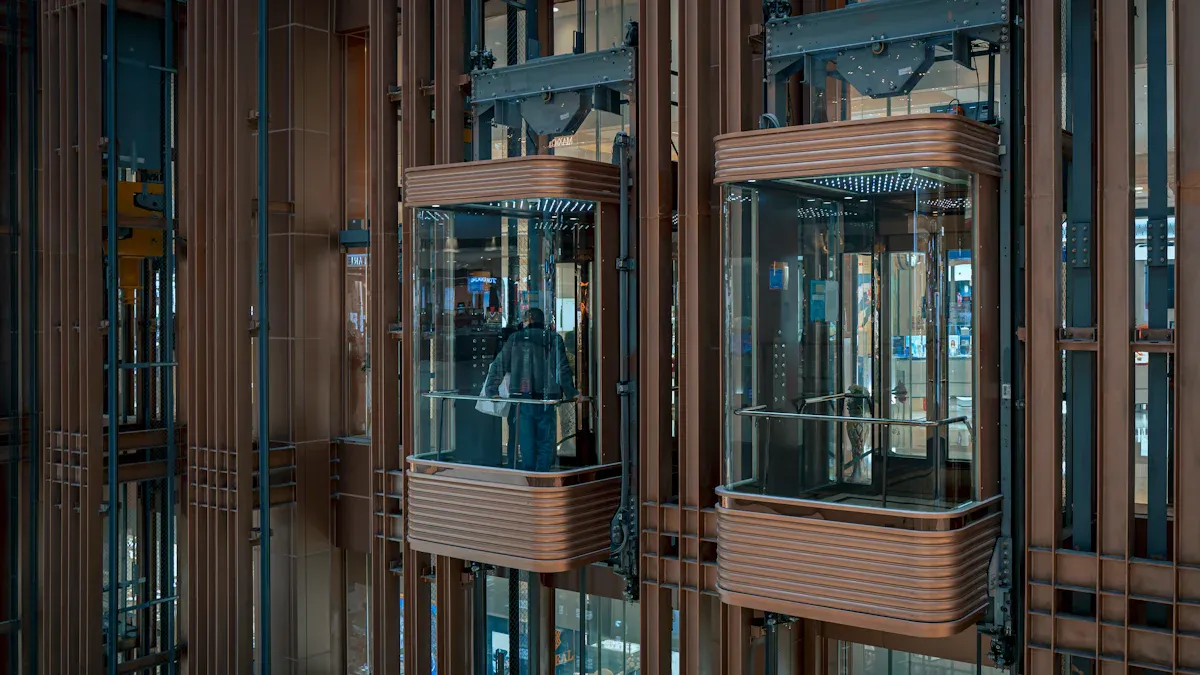
Panoramic elevators profoundly transform modern architecture, redefining vertical transportation and architectural aesthetics. These designs seamlessly fuse functionality with breathtaking visual experiences. The panoramic elevator industry’s market size was USD 3.2 billion in 2023. Projections indicate it will reach USD 6.1 billion by 2032, demonstrating a 7.2% compound annual growth rate.
Key Takeaways
- Panoramic elevators make buildings look better and give people amazing views as they go up and down.
- Different types of panoramic elevators, like glass capsules or cylindrical towers, offer unique experiences and fit various building styles.
- New smart elevators use technology to make rides safer, more personal, and more efficient for everyone.
The Glass Capsule Panoramic Elevator
Seamless Integration and Unobstructed Views
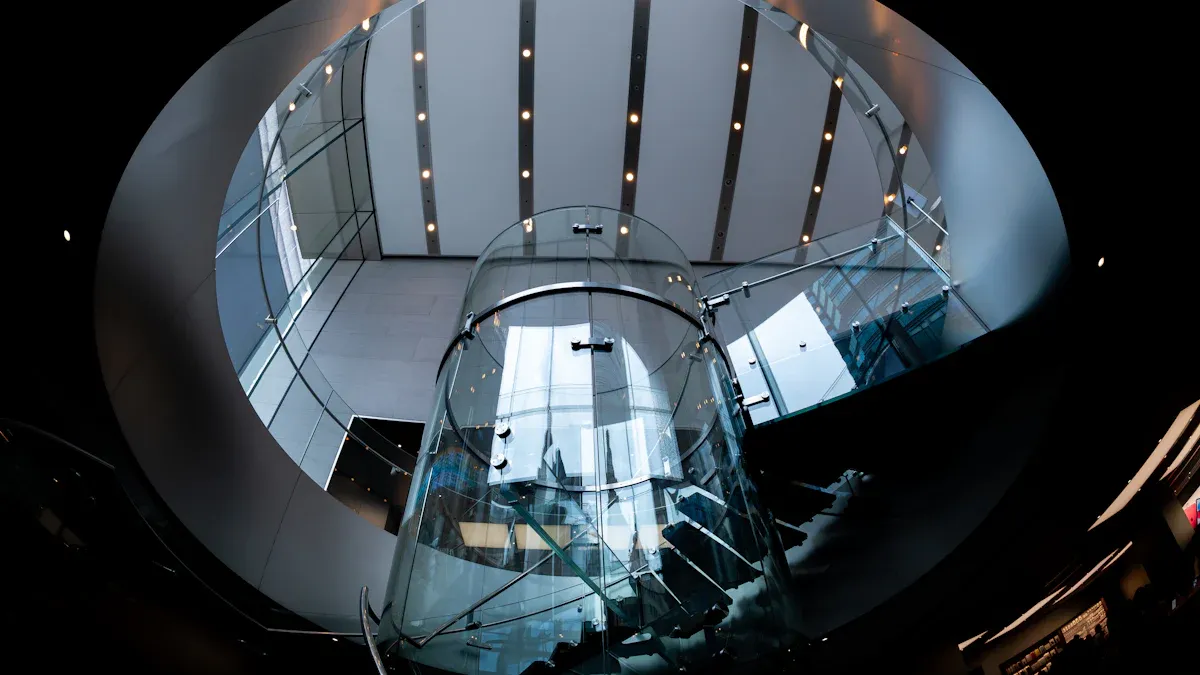
The Glass Capsule Panoramic Elevator offers a unique blend of design and functionality. It seamlessly integrates into various architectural styles. Large glass panels form the car walls, providing passengers with unobstructed, panoramic views. This design transforms a simple vertical journey into an immersive visual experience. Buildings gain an aesthetic appeal as the transparent capsule becomes a dynamic part of their facade.
Minimalist Aesthetics and Sleek Materials
Designers prioritize minimalist aesthetics for these capsules. They often use sleek, modern materials. For instance, large glass panels are crucial for the car walls, ensuring a panoramic view. Beyond glass, manufacturers also incorporate opaque metals. Common construction materials include stainless steel, aluminum profiles, and high-duty steel structures. Laminated glass, known for its high safety, forms the car walls. This material offers radiation protection and sound insulation, creating a comfortable and secure environment. Other materials like painted steel, hairline stainless steel, and etched glass contribute to the sophisticated finish.
Enhancing Luxury Living Spaces
Glass capsule panoramic designs significantly enhance luxury living spaces. They elevate the experience in high-end buildings and executive zones of tall structures. These installations also find their place in exclusive residential properties. For example, cliffside villas and oceanfront villas often feature these stunning designs. They provide residents and guests with breathtaking vistas, adding a touch of opulence and sophistication to their surroundings. The journey itself becomes a highlight, offering dynamic views of the city or natural landscapes.
The Cylindrical Glass Tower Elevator
Architectural Statement and 360-Degree Immersion
A cylindrical glass tower elevator makes a strong architectural statement. It offers passengers 360-degree immersion. This design transforms a simple ride into a captivating experience. Buildings like the Private Residence in Cote d´ Vermeille feature circular, fully glazed lifts. These lifts span multiple levels. Watches of Switzerland in London also uses a bespoke glass lift. It has champagne-colored stainless steel elements. The Forum Mittelrhein in Koblenz showcases a panoramic glass lift in its lobby. It transports visitors to a roof terrace. These examples highlight how the cylindrical design becomes a central visual element. It provides an unobstructed view of the surroundings.
Dynamic Vertical Journey and Custom Lighting
The cylindrical glass tower elevator creates a dynamic vertical journey. Its transparent walls allow light to flood the cabin. Custom lighting systems further enhance the experience. These systems can change colors or intensity. They adapt to the time of day or specific events. This creates a unique ambiance for passengers. The journey becomes more than just transportation. It becomes an integral part of the building’s aesthetic and user experience.
High-Speed Operation with City Views
Cylindrical glass tower elevators often feature high-speed operation. This allows for quick travel between floors. High-speed observation elevators typically operate between 3.0 m/s and 6.0 m/s. Some high-speed elevators can reach speeds higher than 2.0 m/s. Super high-speed elevators exceed 5.0 m/s. This rapid ascent offers passengers breathtaking city views. Imagine soaring up a skyscraper like the Burj Khalifa. You can watch the urban landscape unfold below. This combination of speed and panoramic vistas makes the journey unforgettable.
The Inclined Panoramic Elevator
Unique Spatial Solutions and Sloping Ascent
Inclined panoramic elevators provide unique spatial solutions for complex architectural designs. They move along a diagonal path, offering a distinct and memorable experience. This sloping ascent allows buildings to integrate vertical transportation into unconventional structures. Passengers enjoy continuous, changing views as they travel upwards or downwards. This design is particularly effective for structures built on hillsides or those featuring non-traditional facades. It transforms a simple ride into an engaging journey, enhancing the building’s overall appeal.
Innovative Engineering for Challenging Structures
Innovative engineering makes these specialized systems possible. They require sophisticated rail systems and precise drive mechanisms. These systems ensure smooth and safe operation on an incline. Engineers design custom cabins to maintain a level floor for passengers throughout the journey. This advanced technology allows architects to create stunning buildings in challenging environments. It transforms what was once an architectural obstacle into a captivating design feature, showcasing modern ingenuity.
Maximizing Natural Light and Openness
Inclined panoramic designs excel at maximizing natural light and openness. Their transparent walls allow abundant sunlight to flood the cabin. The angled trajectory offers expansive and dynamic views of the surrounding landscape. This design creates a profound feeling of spaciousness for passengers. It connects them intimately with the exterior environment throughout their journey. This significantly enhances the overall aesthetic and user experience within the building, making each trip memorable.
The Outdoor Scenic Panoramic Elevator

Blurring Indoors and Outdoors with Transparent Designs
Outdoor scenic panoramic elevators create a unique connection between interior spaces and the external environment. Their transparent designs allow passengers to feel immersed in the surroundings. These structures often feature glass walls and ceilings. They offer an unobstructed visual experience. This design choice effectively blurs the lines between being inside a building and experiencing the outdoors. It transforms a simple ride into an engaging journey through the landscape.
Maximizing Natural Light and Impressive Views
These elevators excel at maximizing natural light. Their extensive glass surfaces allow abundant sunlight to flood the cabin. This creates a bright and airy atmosphere for passengers. The transparent construction also provides impressive, expansive views. Passengers can observe the changing scenery as they ascend or descend. This design enhances the aesthetic appeal of the journey. It also connects occupants with the natural or urban environment outside.
Urban and Natural Landscape Integration
Outdoor scenic panoramic elevators seamlessly integrate with their surroundings. They offer passengers unique perspectives of urban and natural environments.
- The Lacerda Elevator in Brazil connects Salvador’s lower and upper cities. It provides panoramic views of the bay coastline from 235 feet during a 30-second trip.
- In Tokyo, Japan, two large glass-fronted elevators at the Sumitomo Fudosan Roppongi Grand Tower offer panoramic city views.
- The historic Asansör in Ízmir, Turkey, traverses a steep cliff. It includes a viewing platform at the top with sweeping city views.
These installations become landmarks. They enhance the visual appeal of their locations.
The Smart Interactive Panoramic Elevator
Digital Integration and Augmented Reality Views
Smart interactive panoramic elevators represent the pinnacle of modern design, seamlessly integrating digital technologies. These systems incorporate Internet of Things (IoT) connectivity, artificial intelligence (AI), and data analytics. This integration enhances functioning, efficiency, and user experience. IoT technology enables real-time monitoring and data collection, allowing for predictive maintenance. AI-powered efficiency optimizes traffic flow by analyzing passenger patterns. This minimizes wait times and congestion. Some systems even offer augmented reality views, overlaying digital information onto the real-world panorama.
Personalized User Experience and Functional Layout
These advanced elevators prioritize a personalized user experience through innovative interfaces. Interactive touchscreens display floor occupancy levels, weather updates, or wayfinding maps. This provides real-time information and improves the passenger journey. For enhanced convenience and hygiene, smart elevators offer touchless interfaces. These include facial recognition and biometrics for calling elevators and activating Car Operation Panels (COP). Voice commands and gesture controls also provide intuitive operation. This functional layout ensures every ride is efficient and tailored to individual needs.
Advanced Technology in Modern Elevator Design
Advanced technology defines modern elevator design, pushing boundaries in functionality and aesthetics. Remote monitoring and control of lift operations allow maintenance crews to proactively address faults, reducing downtime and improving reliability. This proactive approach ensures continuous, smooth operation. The integration of these smart features transforms a simple vertical journey into an engaging, efficient, and highly personalized experience. This showcases the future of vertical transportation.
Panoramic elevators significantly enhance modern architecture, offering both aesthetic appeal and unique experiences. The future of innovative elevator design embraces smart technology, integrating AI and IoT for predictive maintenance and personalized user journeys. Innovations like touchless controls and sustainable designs will redefine user engagement. These advancements ensure a lasting impact on building aesthetics and the overall user experience.
FAQ
What materials do panoramic elevators use?
Manufacturers use high-safety laminated glass for walls. They also incorporate stainless steel, aluminum, and high-duty steel for structural components. These materials ensure both aesthetics and durability.
How do panoramic elevators enhance building aesthetics?
They offer unobstructed views and integrate seamlessly into designs. This transforms vertical travel into an immersive visual experience. They become dynamic architectural features, adding visual appeal.
Are smart panoramic elevators safe?
Yes, advanced technology ensures safety. IoT enables real-time monitoring and predictive maintenance. AI optimizes traffic flow, reducing risks and improving reliability for passengers.